








What's Happening?
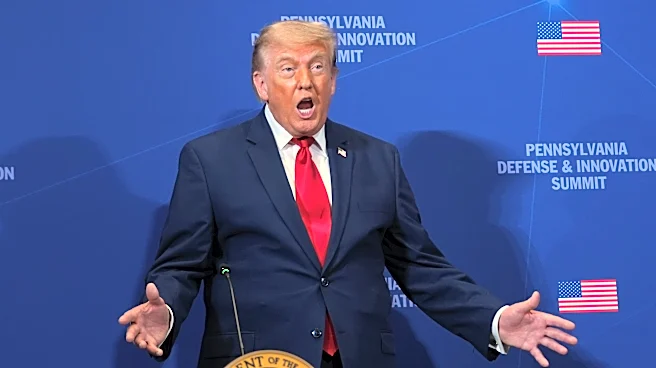
An American startup, American Deep Sea Minerals, is seeking approval from the Trump administration to lease 25 million acres of international waters for mining exploration. The area, known as Eastern High Seas Pocket 3, is surrounded by the exclusive
economic zones of French Polynesia, the Cook Islands, and Kiribati. The company aims to explore the seabed for manganese and other critical minerals essential for modern technologies. This move comes amid global debates over the environmental impact of deep sea mining and the rights of Pacific nations and Indigenous peoples. The application is open for public comment until August 3.
Why It's Important?
The application by American Deep Sea Minerals highlights the ongoing tension between economic interests and environmental conservation. Deep sea mining has the potential to provide access to valuable minerals needed for technologies such as batteries and military equipment. However, it also poses significant risks to marine ecosystems and fisheries, which are vital to the economies and cultures of Pacific nations. The decision by the Trump administration to allow such exploration without international consensus could set a precedent for other countries, potentially leading to conflicts over maritime boundaries and resource rights.
What's Next?
The application is currently under review, with public comments being accepted until August 3. If approved, American Deep Sea Minerals will need to partner with entities possessing the necessary technology and expertise for deep sea mining. The outcome of this application could influence future U.S. policies on international waters and resource extraction. Additionally, the International Seabed Authority continues to negotiate a framework to govern deep sea mining, which could impact the company's operations and international relations.
Beyond the Headlines
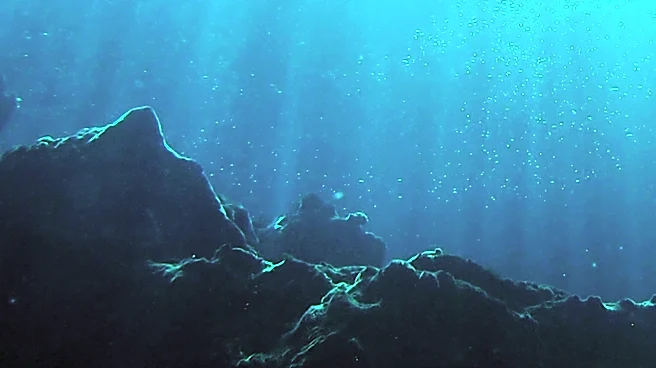
The pursuit of deep sea mining raises ethical and legal questions about the exploitation of the ocean's resources. Indigenous Pacific peoples, who have ancestral ties to these waters, argue that the concept of exclusive economic zones is a colonial imposition that disregards traditional knowledge and rights. The potential environmental impact of mining, including harm to marine biodiversity and fisheries, underscores the need for careful consideration and international cooperation in managing ocean resources.