



What's Happening?
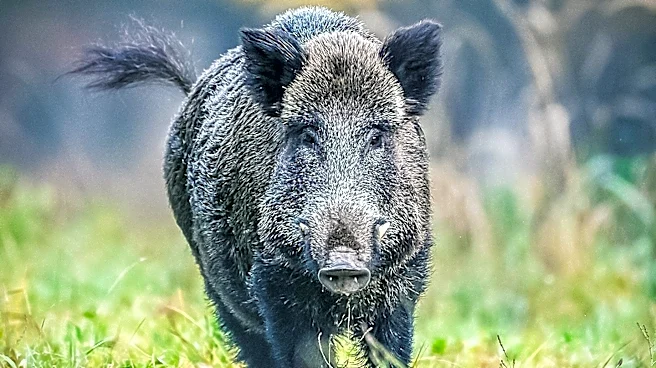
Feral swine populations are rapidly expanding across the United States, posing one of the most destructive and costly threats to American agriculture. The number of states reporting feral swine has increased from 18 in 1982 to approximately 30 in 2025,
with populations continuing to rise in many of these locations. The United States Department of Agriculture (USDA) Animal and Plant Health Inspection Service (APHIS) tracks these populations, providing county-level maps that illustrate the widespread distribution and growth of feral swine. These animals cause extensive damage to crops, livestock, and natural ecosystems, leading to significant economic losses for farmers and environmental degradation.
Why It's Important?
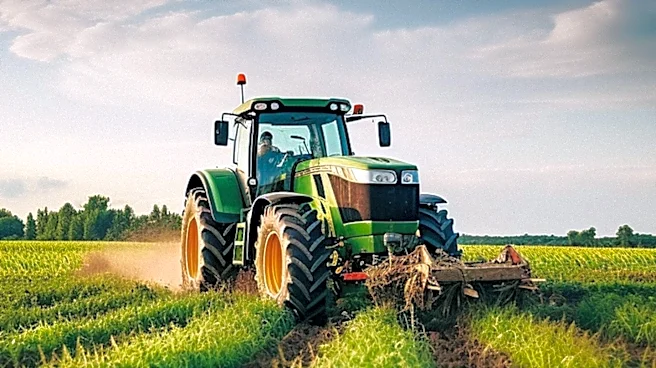
The unchecked growth of feral swine populations has profound implications for the U.S. agricultural sector and natural resources. Their destructive foraging habits lead to crop destruction, soil erosion, and water quality degradation. Feral swine also carry diseases that can be transmitted to domestic livestock, posing a serious biosecurity risk and potentially impacting food safety and international trade. The economic burden on farmers includes direct losses from damaged crops and livestock, as well as the costs associated with mitigation efforts. Furthermore, their presence disrupts native wildlife habitats and ecosystems, threatening biodiversity. This issue necessitates coordinated efforts from federal and state agencies, as well as landowners, to manage and control these invasive species effectively.
What's Next?
The USDA APHIS, through programs like the Feral Swine Eradication and Control Pilot Program, is actively working to address this issue. These programs typically involve grant applications for control and eradication efforts, focusing on integrated management strategies such as trapping, aerial removal, and public education. Future efforts will likely involve continued research into more effective control methods, increased funding for eradication programs, and enhanced collaboration between government agencies, agricultural communities, and conservation groups. The goal is to mitigate the economic and ecological damage caused by feral swine and prevent their further spread into new territories.
Beyond the Headlines
The proliferation of feral swine highlights a broader ecological challenge related to invasive species management. These animals are highly adaptable and reproduce rapidly, making their control particularly difficult. The issue also touches upon the complex relationship between human activity and environmental impact, as feral swine populations have often been exacerbated by historical introductions and habitat alterations. Effective management requires not only direct control measures but also a deeper understanding of their biology and behavior, as well as public awareness to prevent further introductions and support control efforts. The long-term success in managing feral swine could serve as a model for addressing other invasive species threats to U.S. ecosystems and agriculture.