




What's Happening?
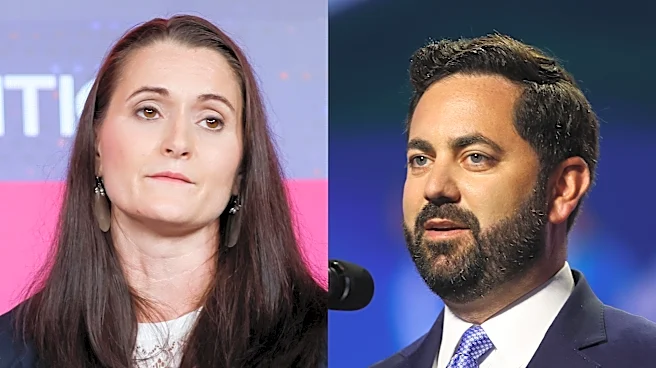
Senator Roger Marshall's 2020 campaign has settled an outstanding bill of $678.75 with Holly's Sweet Treats, a bakery in Hutchinson, Kansas, six years after the original order. Bakery owner Holly Thomas posted on Facebook about the unpaid invoice for
450 treats ordered for Marshall's primary election watch party in 2020. Thomas stated she made repeated attempts to collect payment via phone and email for nearly a year but received no response. The post went viral, gaining national attention. In response, Marshall's campaign spokesperson, Brent Robertson, stated they had no knowledge of why the bill went unpaid in 2020 and promptly paid Thomas $1,300, nearly double the original amount, once the issue came to their attention. Thomas confirmed receipt of the payment, noting it was 'better late than never,' but maintained her decision not to vote for Marshall.
Why It's Important?
This incident highlights the potential impact of social media on political accountability and small business relations. For Holly Thomas, a new small business owner during the COVID-19 pandemic, the unpaid bill represented a significant loss, as every dollar mattered. The viral nature of her Facebook post demonstrates how public sentiment can quickly mobilize and pressure political campaigns to address past oversights. This event could influence how political campaigns manage their finances and vendor relationships, especially with local businesses, to avoid negative publicity. It also underscores the importance of transparency and timely payments for campaigns, as such issues can affect a candidate's public image and voter perception, particularly in tight re-election races.
What's Next?
The immediate consequence is the resolution of the outstanding debt for Holly's Sweet Treats. For Senator Marshall's campaign, the incident may prompt a review of their financial record-keeping and vendor payment processes to prevent similar occurrences in the future. The story's viral spread and national media coverage could continue to be a talking point in the ongoing re-election campaign, potentially influencing voter sentiment. Opposing campaigns may leverage this event to question the senator's fiscal responsibility or attention to detail. The incident also serves as a reminder for other political campaigns to ensure all financial obligations are met promptly, as public scrutiny, amplified by social media, can quickly turn minor issues into significant campaign challenges.
Beyond the Headlines
Beyond the immediate financial settlement, this event touches upon broader themes of accountability, the power dynamics between political entities and small businesses, and the evolving role of social media in public discourse. For small businesses, engaging with political campaigns can offer significant exposure and revenue, but this case illustrates the risks involved, particularly when payment issues arise. The incident also reflects a growing trend where individual stories, shared on social media, can quickly escalate into national news, forcing public figures to address issues they might otherwise overlook. This dynamic empowers ordinary citizens and small business owners, providing a platform to hold powerful entities accountable in ways that traditional channels might not. It underscores the importance of ethical conduct in all aspects of public life, including campaign operations.