



What's Happening?
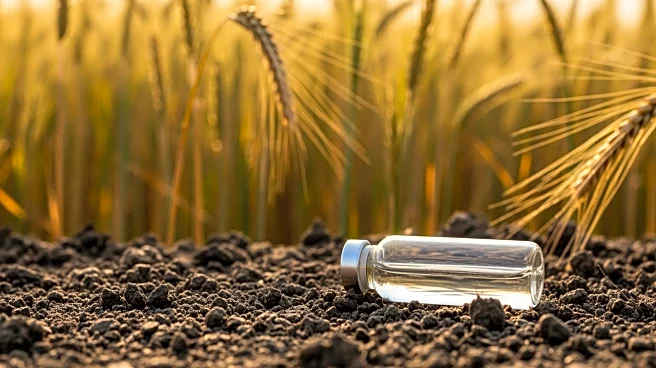
President Donald Trump has signed an executive order promoting the production of glyphosate, a chemical used in the weed killer Roundup. This decision has caused significant backlash from the Make America Healthy Again (MAHA) movement, which views glyphosate as a dangerous
carcinogen. The executive order, invoking a 1950s law for national security emergencies, shields glyphosate producers from lawsuits and authorizes the Department of Agriculture to compel production. Robert F. Kennedy Jr., a prominent figure in the MAHA movement, had previously criticized glyphosate and promised to ban it. However, he supported Trump's decision, citing national security and food supply concerns. This has led to criticism from MAHA supporters, who feel betrayed by both Trump and Kennedy.
Why It's Important?
The executive order has significant implications for U.S. agriculture and public health policy. By promoting glyphosate, the Trump administration is prioritizing agricultural production and national defense over environmental and health concerns. This decision could strengthen the position of large agricultural companies while alienating health-conscious voters and activists. The backlash from the MAHA movement highlights a potential rift within the Republican Party, as some members may feel disillusioned by the administration's stance on health and environmental issues. The controversy also underscores the tension between economic interests and public health advocacy, with potential long-term impacts on policy and public trust.
What's Next?
The executive order may lead to further political and legal challenges. Representative Thomas Massie has announced plans to introduce a bill to overturn the order, indicating potential legislative pushback. The MAHA movement may continue to voice opposition, potentially influencing future elections and policy decisions. The administration's decision could also prompt increased scrutiny of its environmental and health policies, as well as its relationship with large agricultural corporations. The outcome of these developments could shape the political landscape and public discourse on health and environmental issues in the U.S.
Beyond the Headlines
The executive order reveals deeper issues within the MAHA movement, highlighting its internal divisions and the challenges of balancing individual freedom with collective health goals. The movement's response to the order may reflect broader societal debates about the role of government in regulating health and environmental risks. Additionally, the decision raises ethical questions about the influence of corporate interests on public policy and the potential consequences for public health. As the movement grapples with these challenges, its future direction and impact on U.S. policy remain uncertain.