





What's Happening?
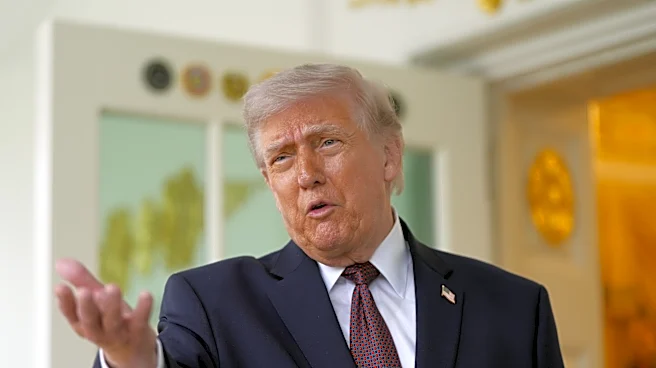
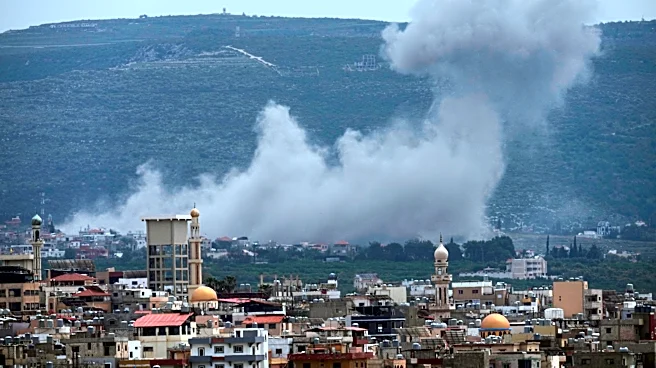
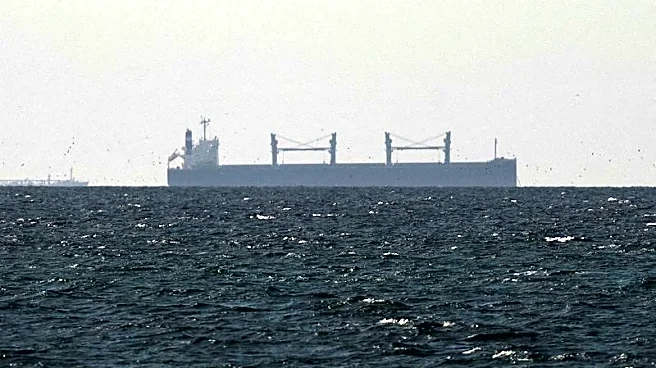
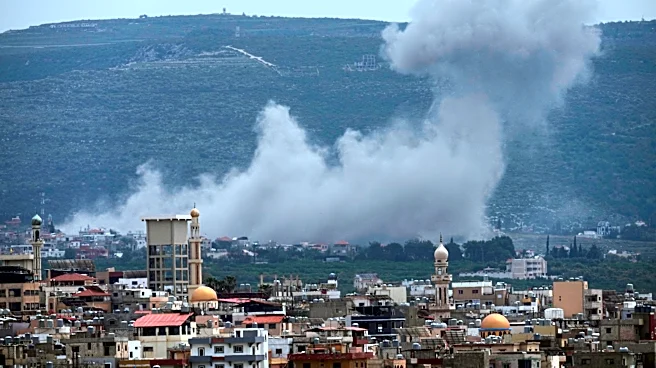
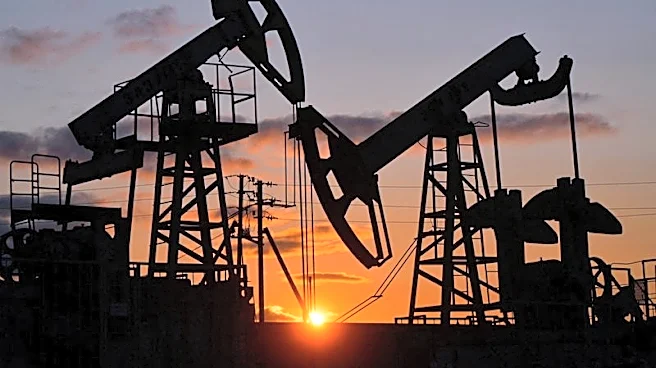
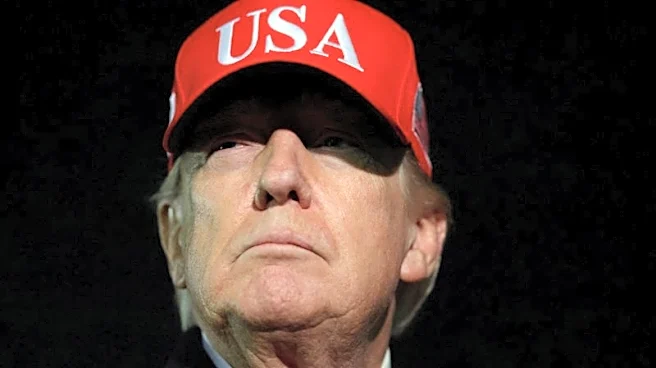
Amid ongoing conflict involving Iran, Americans are experiencing a significant increase in fuel prices. This surge is attributed to geopolitical tensions affecting global oil supply chains. President Trump is scheduled to address the economic implications
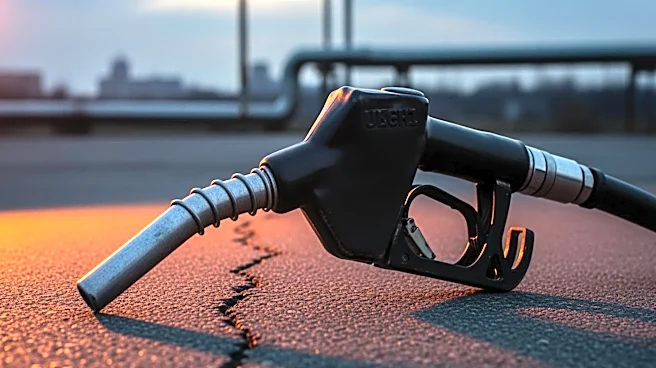
of these developments in Las Vegas, as the White House signals potential peace talks. The rising fuel costs are impacting consumers and businesses alike, leading to increased transportation and production expenses. This situation underscores the interconnectedness of global events and domestic economic conditions, highlighting the vulnerability of energy markets to international conflicts.
Why It's Important?
The spike in fuel prices has far-reaching implications for the U.S. economy, affecting everything from consumer spending to business operations. Higher transportation costs can lead to increased prices for goods and services, contributing to inflationary pressures. This situation may prompt policymakers to explore alternative energy sources or strategic reserves to mitigate dependency on volatile international markets. Additionally, the economic strain on households and businesses could influence public opinion and political discourse, potentially impacting upcoming elections and policy decisions.
What's Next?
As the situation develops, the U.S. government may engage in diplomatic efforts to stabilize the region and secure energy supplies. Potential peace talks could alleviate some of the pressure on oil markets, though the outcome remains uncertain. Domestically, there may be increased advocacy for energy independence and investment in renewable energy sources to reduce reliance on foreign oil. Stakeholders, including industry leaders and consumer advocacy groups, are likely to push for measures that address the immediate economic challenges while promoting long-term energy sustainability.