









What's Happening?
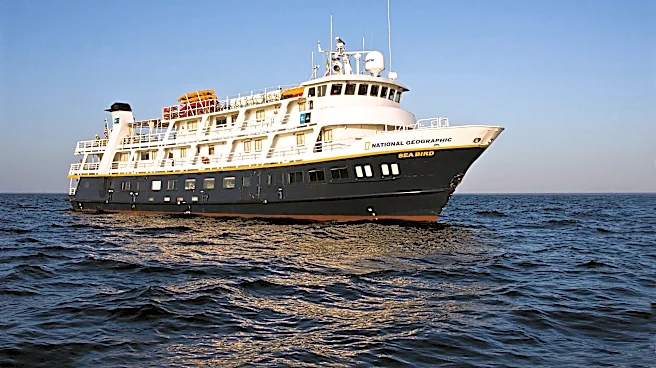
A National Geographic-Lindblad Expeditions cruise ship, the Sea Bird, has experienced its second norovirus outbreak in about a month. During a recent voyage ending on June 30, 19 passengers and one crew member reported symptoms of diarrhea and vomiting,
according to the Centers for Disease Control and Prevention (CDC). The ship, which is currently operating in Alaska, has implemented enhanced disinfection and cleaning protocols and isolated those who are ill. The CDC's Vessel Sanitation Program is monitoring the situation remotely, reviewing the ship's outbreak response and sanitation procedures. This follows a previous outbreak on the same ship that ended on May 31, where a dozen people fell ill. The CDC has recorded six outbreaks of gastrointestinal illness on cruises this year, with norovirus being the cause of most cases.
Why It's Important?
The recurrence of norovirus outbreaks on cruise ships highlights the challenges of managing infectious diseases in environments where people are in close contact. Cruise ships, along with other communal settings like day care facilities and nursing homes, are more likely to report such outbreaks due to the confined spaces and high interaction levels. While norovirus is commonly associated with cruise ships, these cases represent only a small fraction of overall outbreaks. The situation underscores the importance of stringent health and safety measures in the cruise industry to protect passengers and crew. The economic impact on the cruise industry could be significant, as repeated outbreaks may deter potential travelers, affecting bookings and revenue.
What's Next?
The cruise line is expected to continue its enhanced sanitation measures and work closely with health authorities to prevent further outbreaks. The CDC will likely maintain its oversight and may conduct additional assessments if necessary. The cruise industry as a whole may need to reassess its health protocols to ensure passenger safety and restore confidence among travelers. Future voyages may see stricter health screenings and more robust response plans to manage potential outbreaks effectively.