




What's Happening?
Pakistan has emerged as a key mediator in the ongoing conflict between the United States and Iran, hosting direct talks aimed at establishing a ceasefire. This development marks a significant shift in Pakistan's international role, as it was previously
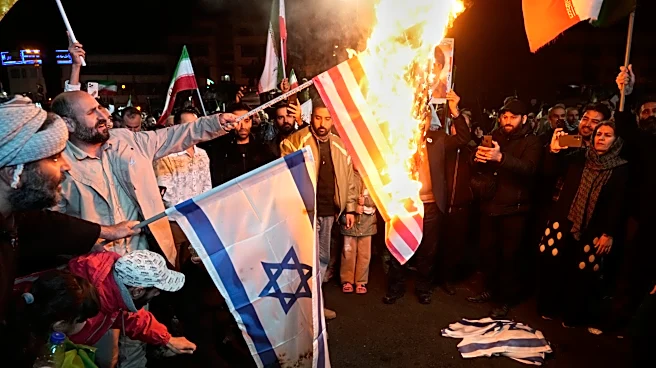
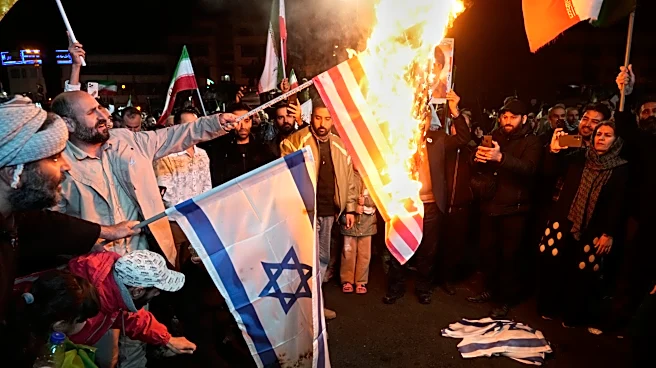
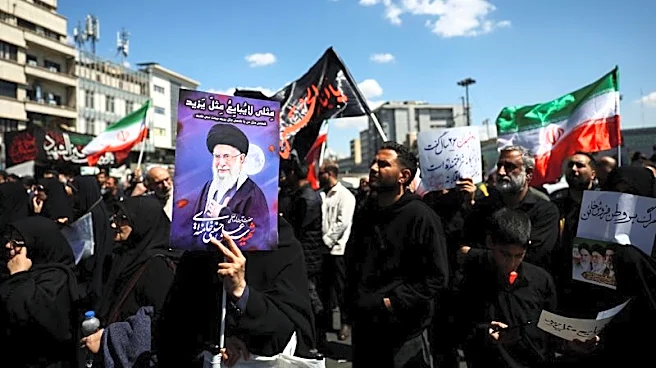
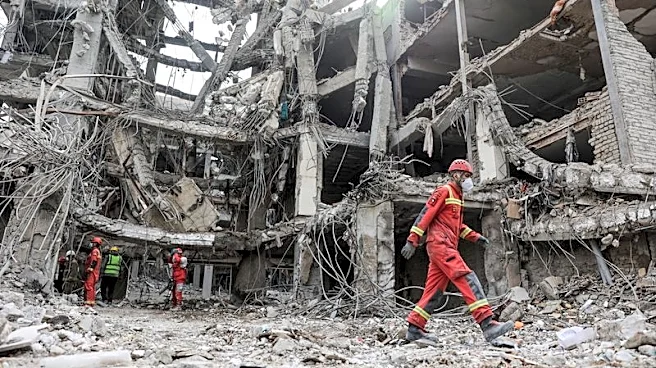
viewed with suspicion by the U.S. due to alleged support for the Taliban. The talks, which are set to take place in Islamabad, come after weeks of conflict that have resulted in thousands of deaths and global economic disruptions. The involvement of high-profile U.S. officials, including Vice President JD Vance, underscores the importance of these negotiations. Analysts attribute Pakistan's newfound diplomatic influence to its strategic geographic position and evolving regional alliances.
Why It's Important?
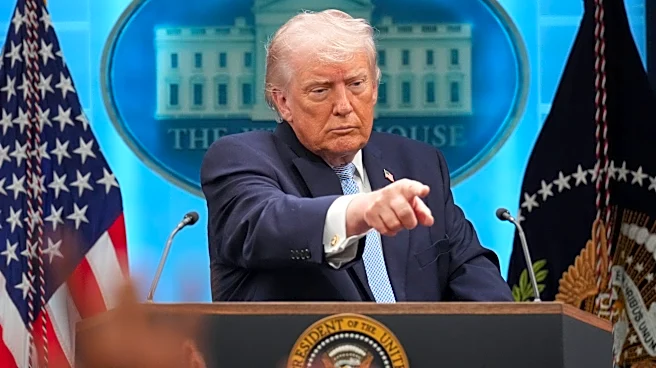
The ceasefire talks facilitated by Pakistan could have significant implications for regional stability and global economic conditions. The conflict has already caused disruptions in the Strait of Hormuz, a critical chokepoint for global oil shipments, leading to increased energy prices worldwide. A successful ceasefire could alleviate these economic pressures and prevent further escalation in the region. Additionally, Pakistan's role as a mediator enhances its international standing and could lead to stronger diplomatic ties with both the U.S. and Iran. This development also reflects a shift in U.S. foreign policy under President Trump, who has previously criticized Pakistan but now recognizes its strategic importance.
What's Next?
The upcoming talks in Islamabad will be crucial in determining the future of the U.S.-Iran conflict. Both sides are expected to negotiate terms that could lead to a more permanent resolution. However, the situation remains fragile, with potential for renewed hostilities if the talks fail. The involvement of other regional players, such as Israel and Saudi Arabia, could also influence the outcome. The international community will be closely monitoring these developments, as the stakes are high for both regional stability and global economic conditions.