





What's Happening?
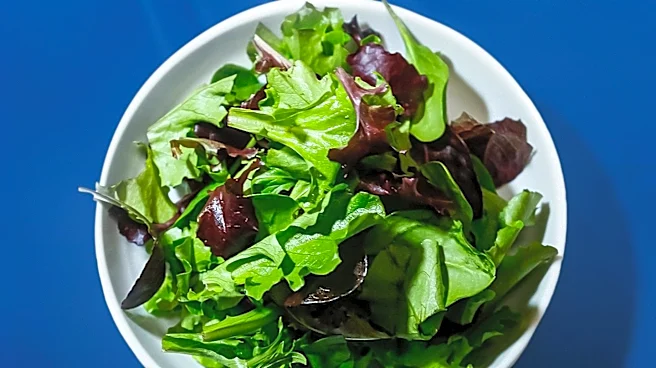
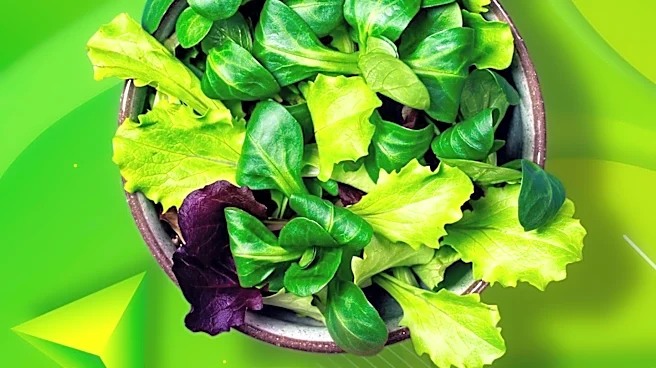
A former FDA food safety chief, Susan Mayne, has advised consumers to avoid bagged salads due to a surge in cyclospora infections across the U.S. The outbreak, linked to the microscopic parasite Cyclospora cayetanensis, has resulted in 4,173 confirmed
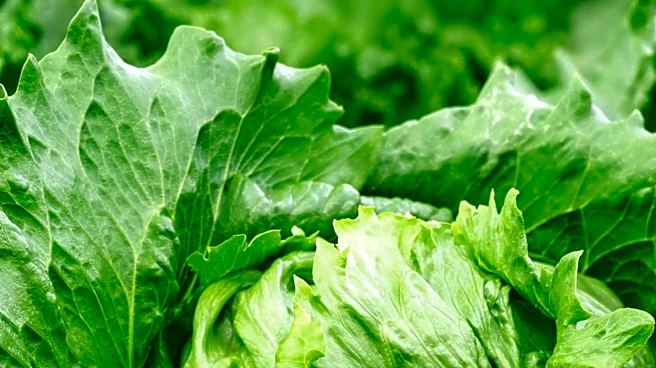
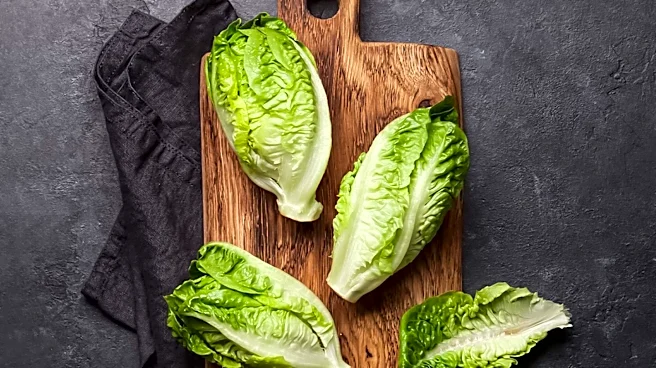
cases and 7,400 unconfirmed reports since May. The parasite, often found in fresh produce, causes severe gastrointestinal symptoms. The outbreak is one of the largest recorded in the U.S., with a cluster of illnesses previously linked to Taylor Farms shredded iceberg lettuce. Despite no confirmed positive tests for Cyclospora in Taylor Farms products, the company has recalled potentially affected products and suspended production in central Mexico.
Why It's Important?
The cyclospora outbreak highlights significant challenges in food safety and the need for robust monitoring systems. The outbreak's scale underscores the vulnerability of the U.S. food supply chain to contamination, particularly in prepackaged produce. This situation may prompt increased scrutiny of food safety practices and regulatory frameworks, potentially leading to policy changes to enhance consumer protection. The economic impact on affected companies, like Taylor Farms, could be substantial, affecting their operations and market trust. Public health responses and consumer behavior may shift towards more cautious food purchasing decisions, impacting the fresh produce market.
What's Next?
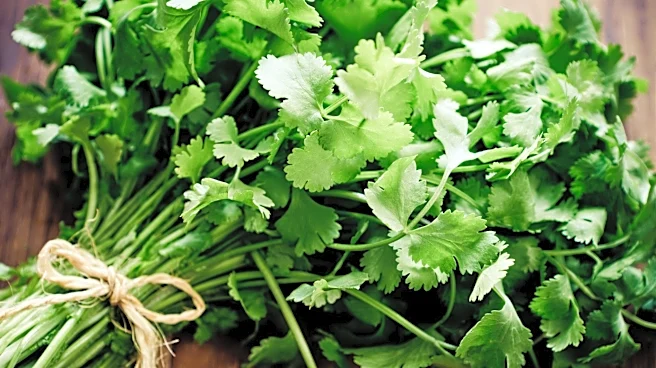
The FDA and CDC are continuing investigations to identify the outbreak's source, with lettuce, parsley, and cilantro among the top suspects. Taylor Farms is reviewing its safety protocols and has halted production in affected areas. The outbreak may lead to increased regulatory oversight and potential reforms in food safety practices. Consumers are likely to remain cautious, possibly affecting sales of bagged salads and similar products. The situation may also drive innovation in food safety technologies and practices to prevent future outbreaks.