



What's Happening?
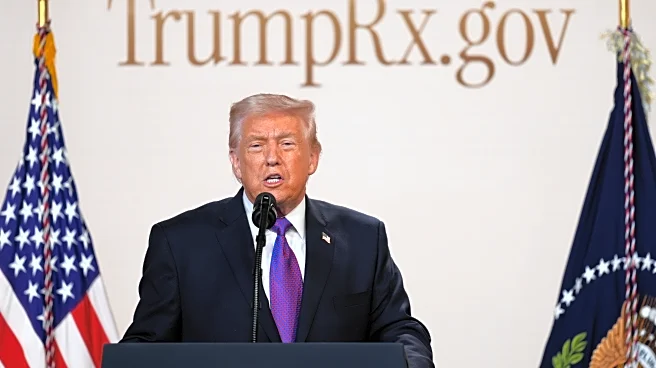
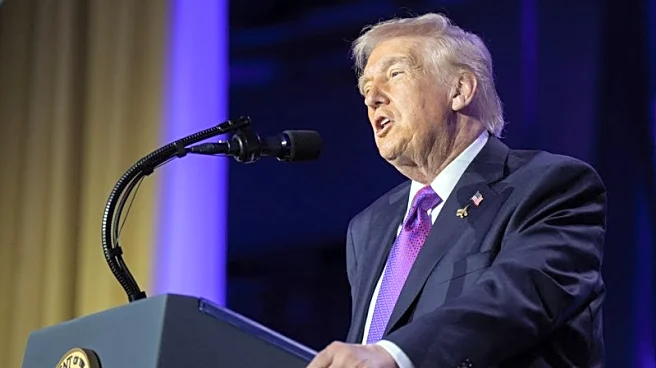
President Donald J. Trump has announced a historic investment in rural healthcare through the Working Families Tax Cuts Act, which he signed into law on July 4, 2025. This legislation has established the Rural Health Transformation Program, allocating
$50 billion over five years to enhance healthcare access in rural areas. The Centers for Medicare and Medicaid Services (CMS) have already distributed funding awards to all 50 states as of December 29, 2025. The program aims to provide unprecedented funding levels to improve the effectiveness and sustainability of rural healthcare. It focuses on strengthening the rural health workforce, modernizing facilities, and deploying innovative care models. The initiative is designed to address the chronic challenges faced by rural hospitals, such as low patient volume and occupancy rates, by promoting innovation in payment and flexibility.
Why It's Important?
This investment is significant as it addresses the longstanding disparities in healthcare access between rural and urban areas in the United States. By providing substantial funding and promoting innovative healthcare models, the program aims to ensure that rural communities receive high-quality healthcare services. This initiative could lead to improved health outcomes for millions of Americans living in rural areas, who often face barriers to accessing care. Additionally, by modernizing facilities and strengthening the workforce, the program could create jobs and stimulate economic growth in these regions. The focus on long-term sustainability and innovation could serve as a model for future healthcare reforms, potentially influencing national healthcare policy.
What's Next?
President Trump has called on Congress to enact The Great Healthcare Plan, which aims to further reduce drug prices, lower insurance premiums, and enhance price transparency. If passed, this plan could complement the Rural Health Transformation Program by making healthcare more affordable and accessible. The success of these initiatives will depend on continued support from Congress and effective implementation at the state level. Stakeholders, including healthcare providers and rural communities, will likely monitor the program's impact closely, advocating for adjustments as needed to ensure it meets its goals.