





What's Happening?
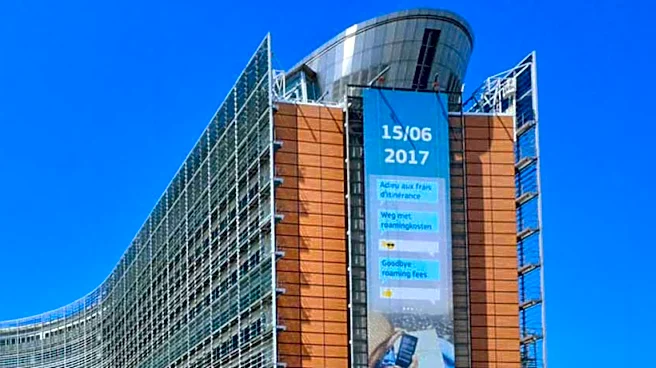
The European Commission is experiencing internal divisions regarding its stance on TikTok, with some officials advocating for the executive to establish a presence on the Chinese-owned platform. This pushback comes despite the Commission's 2023 ban on TikTok from
staff devices due to cybersecurity concerns, a policy that also extends to personal devices enrolled in the Commission's mobile device service. Officials arguing for a rethink believe the EU is making a strategic error by not engaging with a platform used by approximately 200 million Europeans, especially as President Ursula von der Leyen and her commissioners aim to reach more citizens through social media. The Commission currently monitors the platform's evolution, particularly concerning data protection and cybersecurity, but has shown little sign of changing its policy, with the Director-General for Communications reportedly opposing an official account.
Why It's Important?
This internal debate within the European Commission highlights the complex challenges faced by governmental bodies in balancing cybersecurity risks with the need for effective public communication in the digital age. By abstaining from TikTok, the EU risks ceding influence in a significant digital space where a large segment of the European population, particularly younger demographics, consumes news and forms opinions. This could hinder the Commission's ability to disseminate its message, counter misinformation, and engage directly with citizens on critical policy issues. The irony of inviting influencers who use TikTok to official events while refusing to establish an institutional presence underscores a strategic disconnect. The situation also reflects broader geopolitical tensions surrounding Chinese-owned technology platforms and concerns about data security and potential foreign influence, impacting how Western democracies navigate digital sovereignty.
What's Next?
The internal debate within the European Commission is likely to continue, with proponents for a TikTok presence emphasizing the strategic importance of engaging with a vast European audience. President Ursula von der Leyen's initiative to invite influencers, including those from TikTok, to her State of the Union speech suggests a recognition of the platform's reach, which could intensify pressure for a policy reevaluation. However, the strong cybersecurity concerns that led to the initial ban are unlikely to dissipate quickly. The Commission will likely continue to monitor developments in data protection and cybersecurity related to TikTok. Any potential shift in policy would require robust assurances regarding data security and independence from foreign influence. In the interim, the Commission is increasingly relying on U.S.-based platforms like YouTube for its social media outreach.
Beyond the Headlines
The European Commission's dilemma with TikTok reflects a global struggle for digital sovereignty and the challenge of regulating powerful, globally interconnected social media platforms. Beyond immediate cybersecurity risks, the debate touches upon the broader implications of foreign-owned platforms on democratic processes, public discourse, and cultural influence. The absence of official EU voices on TikTok could create a vacuum, potentially allowing other actors, including state-sponsored entities, to shape narratives without counter-balancing perspectives. This situation also raises questions about the effectiveness of bans as a long-term strategy in a highly interconnected digital world. It may prompt deeper discussions within the EU about developing its own secure digital communication infrastructure or establishing more stringent international standards for data governance and platform accountability to mitigate risks associated with foreign technology.