







What's Happening?
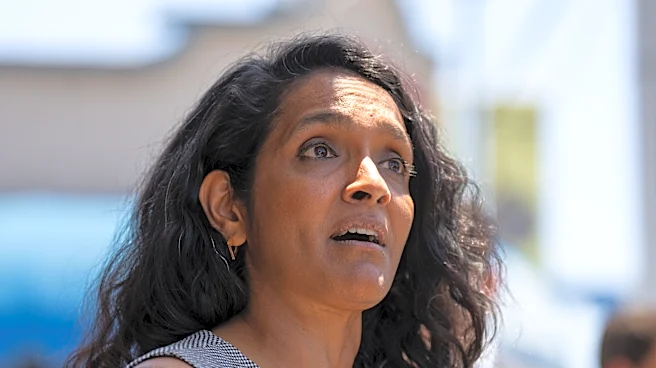
Stephanie Pratt, sister of Spencer Pratt, has raised concerns about alleged voting irregularities in the Los Angeles mayoral race. She claims that her brother's name was not on the ballot when she attempted to vote for him using her Palisades address.
Pratt stated that she tried to vote twice but was informed she could not attempt a third time. This incident is part of a broader investigation into alleged election fraud led by Los Angeles' top federal prosecutor, Bill Essayli. The investigation was initiated following President Trump's claims about irregularities in California's primary elections. The probe focuses on individual actors rather than a widespread conspiracy and includes on-site monitoring of ballot counting and an audit of voter registration records.
Why It's Important?
The allegations of voting irregularities in the Los Angeles mayoral race highlight ongoing concerns about election integrity in the United States. Such claims can undermine public confidence in the electoral process, especially when they involve high-profile figures and contentious races. The investigation led by Bill Essayli aims to address these concerns by ensuring transparency and accountability in the voting process. The outcome of this investigation could have significant implications for future elections, potentially influencing public policy and electoral reforms. It also underscores the importance of maintaining robust systems to prevent and address any instances of voter fraud, thereby safeguarding democratic processes.
What's Next?
As the investigation into alleged election fraud continues, stakeholders will be closely monitoring the findings and any subsequent actions taken by authorities. The results of the probe could lead to changes in how elections are conducted in Los Angeles and potentially across California. Political leaders, election officials, and civil society groups may push for reforms to enhance the integrity and transparency of the voting process. Additionally, the outcome of the investigation could influence public discourse on election security and voter confidence, potentially impacting voter turnout and engagement in future elections.