





What's Happening?
NASA is seeking industry feedback on a draft solicitation aimed at funding the development of prototypes in five key technology areas essential for sustained lunar operations. The initiative, known as the Lunar Enabling Infrastructure Accelerator (LEIA),
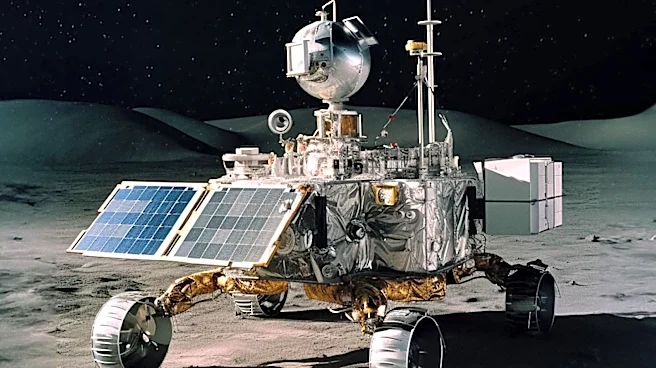
focuses on vertical solar arrays, oxygen production from lunar soil, radioisotope generators, in-space manufacturing, and nanomaterials. The agency released the draft under its NextSTEP-3 broad agency announcement, with comments due by July 17. NASA plans to issue the final solicitation in the fourth quarter of fiscal year 2026, with awards expected in the first quarter of fiscal 2027. The goal is to advance these technologies to readiness levels 5 to 6, reducing risks for future lunar missions.
Why It's Important?
This initiative is crucial for advancing the United States' capabilities in space exploration, particularly in establishing a sustainable human presence on the moon. By focusing on these specific technologies, NASA aims to address critical gaps identified in its Civil Space Shortfalls assessment. The development of these technologies could significantly enhance the efficiency and sustainability of lunar operations, potentially leading to breakthroughs in energy production, resource utilization, and manufacturing in space. This effort also underscores the importance of collaboration with the U.S. industrial base, fostering innovation and competitiveness in the space sector.
What's Next?
NASA plans to award firm-fixed-price contracts with performance-based milestone payments, potentially awarding one or more contracts per technology area. The contracts will be structured with a base period and options, each subject to a continuation review. The agency has specified that proposals must not involve collaboration with China or Chinese-owned entities, and offerors must disclose any plans to use artificial intelligence in their work. The outcome of this solicitation could lead to significant advancements in lunar technology, influencing future missions and the broader space exploration agenda.