








What's Happening?
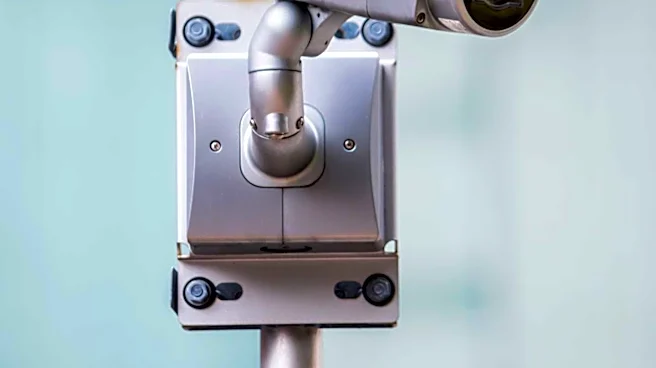
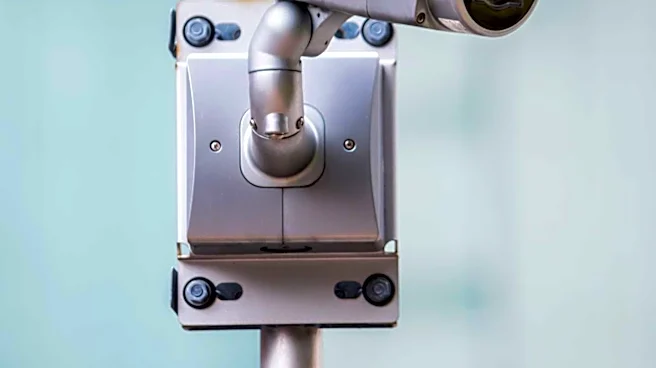
Automated Traffic Enforcement Safety Devices (ATESDs) and Automated License Plate Readers (ALPRs) are being increasingly adopted across U.S. cities, sparking privacy concerns. These technologies use cameras to monitor vehicles, issuing fines for speeding
and collecting data on vehicle movements. In Fairfield, Connecticut, ATESDs have been installed near schools, resulting in significant fines and a reduction in speeding. However, the use of ALPRs has raised alarms among privacy advocates, as these systems can track vehicles without warrants, potentially infringing on civil liberties. The American Civil Liberties Union and other watchdogs have criticized the widespread use of these surveillance technologies, highlighting the potential for misuse and the chilling effect on First Amendment activities.
Why It's Important?
The deployment of AI-driven traffic cameras represents a significant shift in how cities manage road safety and law enforcement. While these technologies promise to reduce traffic violations and enhance safety, they also pose serious privacy risks. The ability to track vehicle movements and collect detailed data without oversight could lead to abuses of power and erosion of civil liberties. As cities continue to adopt these systems, the balance between safety and privacy becomes increasingly critical. Stakeholders, including civil rights organizations and policymakers, must address these concerns to ensure that technological advancements do not compromise individual freedoms.
What's Next?
As the use of ATESDs and ALPRs expands, cities may face increased scrutiny from privacy advocates and legal challenges. Policymakers will need to consider regulations that protect citizens' privacy while allowing for effective traffic management. Public hearings and community feedback sessions could become more common as residents voice their concerns. Additionally, advancements in AI technology may lead to more sophisticated surveillance systems, necessitating ongoing dialogue about ethical use and data protection.
Beyond the Headlines
The integration of AI in traffic enforcement raises broader questions about surveillance in public spaces. As technology evolves, the potential for misuse increases, highlighting the need for robust legal frameworks to govern data collection and usage. The ethical implications of constant monitoring and data sharing with law enforcement agencies must be carefully considered to prevent overreach and protect citizens' rights.