





What's Happening?
North Korea has publicly denied its involvement in the recent Binance cryptocurrency hack and has pushed back against the Financial Action Task Force's (FATF) decision to re-designate it as a high-risk jurisdiction for money laundering. According to the Korean
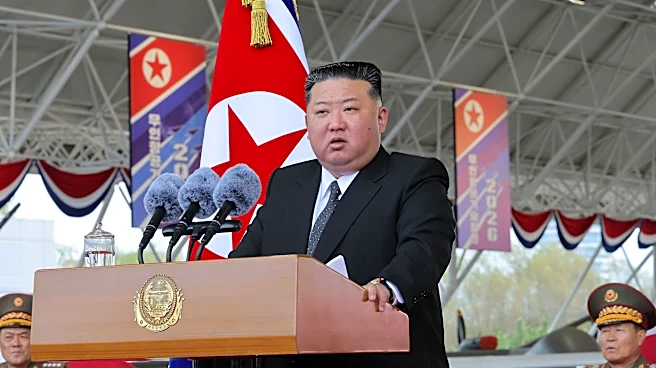
Central News Agency on November 6, a spokesperson for North Korea's Foreign Ministry stated that allegations of money laundering, terrorist financing, drug trafficking, and currency counterfeiting are "fabricated by the United States and its followers." North Korea claims it has taken proactive measures to increase the transparency of its financial transactions, including negotiations with the FATF since 2013 and amendments to its domestic laws. The FATF, which assesses the implementation of international standards to combat money laundering and terrorist financing, maintained North Korea's high-risk status during its plenary session in Paris from October 26 to 30. This designation has been in place since 2011. The denial of the Binance hack follows an FBI identification of the North Korean hacking group TraderTraitor as responsible for stealing over $6 billion in cryptocurrency. Kim Yo Jong, director of the General Affairs Department of the Workers' Party of Korea, previously called the U.S. claim "an absurd and groundless fabrication."
Why It's Important?
This development is important as it highlights the ongoing international dispute regarding North Korea's financial activities and its alleged involvement in cybercrime. The U.S. accusation of North Korea's role in the Binance hack, coupled with North Korea's strong denial, underscores the deep mistrust and adversarial relationship between the two nations. The FATF's continued designation of North Korea as a high-risk jurisdiction means that international financial institutions are advised to apply enhanced due diligence to business relations and transactions with the country. This designation further isolates North Korea from the global financial system, making it more difficult for the country to engage in legitimate international trade and finance. North Korea's portrayal of these issues as part of a "hostile policy" by the United States suggests a continued resistance to international financial regulations and a potential for further escalation in rhetoric. The implications extend to global cybersecurity, as state-sponsored hacking groups pose significant threats to financial stability and digital assets worldwide.
What's Next?
The immediate future will likely see continued international pressure on North Korea regarding its financial practices and alleged cyber activities. The FATF's designation will remain in effect, prompting ongoing scrutiny of North Korean financial transactions by global institutions. The U.S. and its allies are expected to continue monitoring and investigating North Korean cyber activities, potentially leading to further sanctions or public accusations. North Korea, in turn, is likely to maintain its stance of denial and continue to frame these actions as politically motivated. This cycle of accusation and denial could further entrench the existing geopolitical tensions. The international community will be watching for any shifts in North Korea's approach to financial transparency or its engagement with international bodies, though significant changes appear unlikely in the short term given the current rhetoric.
Beyond the Headlines
Beyond the immediate financial and cybersecurity implications, this situation reflects a broader struggle for international legitimacy and influence. North Korea's consistent denial of wrongdoing and its characterization of international efforts as hostile U.S. policy reveal a strategy aimed at undermining global consensus and maintaining internal control. The ethical dimension of state-sponsored cybercrime, particularly when it targets financial institutions, raises questions about digital sovereignty and the responsibilities of nations in the interconnected digital world. The long-term shift could involve a more fragmented global financial system, where nations increasingly operate outside established norms, or a more robust international framework for combating cybercrime and illicit financial flows. The ongoing standoff also highlights the challenges of enforcing international law and financial regulations against states that operate with a high degree of opacity and defiance.