
What's Happening?
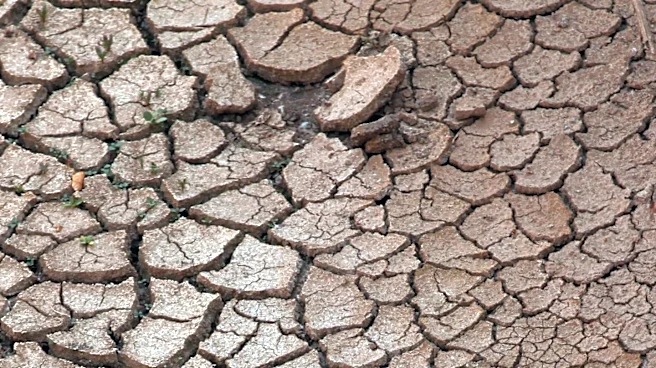
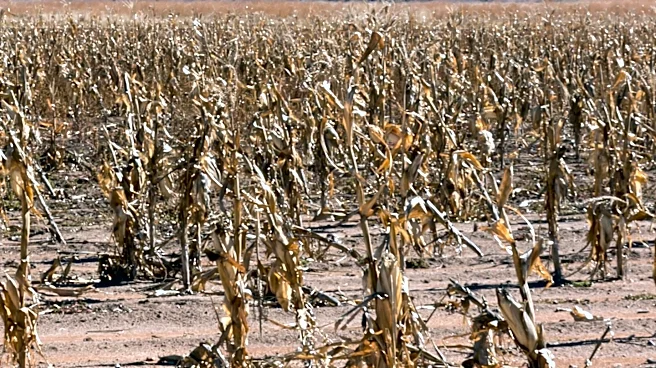
A 'super' El Niño event, expected to persist from September 2026 into early 2027, poses a significant threat to bean harvests in southern Africa. Legumes, particularly dry beans, are a primary staple and
a crucial protein source in the region, but they are highly sensitive to water stress and high temperatures. Research indicates that extreme climate shocks, such as droughts, floods, and erratic rainfall, can reduce legume harvests by up to 78%. This potential reduction in yield directly threatens the livelihoods of smallholder farmers and could lead to increased food prices and reduced availability of affordable protein sources across southern Africa. The World Meteorological Organization has described this year's El Niño as exceptionally strong, intensifying concerns for agricultural output.
Why It's Important?
The potential severe impact on southern Africa's bean harvests carries significant humanitarian and economic implications. For the U.S., while not directly dependent on southern African bean imports, such a widespread food security crisis could trigger increased demand for international food aid and humanitarian assistance, potentially involving U.S. resources and foreign policy. Furthermore, global food commodity markets are interconnected; a significant reduction in supply in one major region can indirectly affect global prices and trade flows, including those relevant to U.S. agricultural exports or imports. The event also highlights the broader challenge of climate change and its disproportionate impact on vulnerable agricultural regions, prompting discussions on international climate resilience strategies and aid from developed nations like the U.S.
What's Next?
Governments and agricultural institutions in southern Africa are urged to strengthen early-warning systems and provide farmers with timely, actionable climate information. Farmers are advised to adopt adaptive strategies such as planting early-maturing and drought-tolerant legume varieties, conserving soil moisture, and diversifying crops. Access to affordable credit, crop insurance, and improved storage facilities are also critical interventions to mitigate financial risks for farmers. International organizations and aid agencies, potentially including those supported by the U.S., may need to prepare for increased food assistance and long-term development initiatives to build climate-resilient production systems in the region. The ongoing El Niño event will continue to be monitored for its full impact on agricultural yields and regional food security.
Beyond the Headlines
The 'super' El Niño's threat to southern Africa's bean harvests underscores the profound link between climate patterns, food security, and geopolitical stability. Beyond immediate humanitarian concerns, this situation highlights the systemic vulnerabilities of global food systems to climate change. It prompts a deeper examination of agricultural practices, the need for sustainable water management, and the development of climate-resilient crop varieties. The event also brings to the forefront the ethical responsibility of wealthier nations to support climate adaptation efforts in developing countries, recognizing that climate impacts transcend national borders. The long-term implications could include shifts in global agricultural research priorities and increased investment in climate-smart agriculture to prevent future food crises.