







What's Happening?
A recent study published in Frontiers in Public Health indicates that indoor hydroponic gardening can significantly improve the mental health and overall quality of life for cancer patients. The research, led by Taehyun Roh, a public health researcher
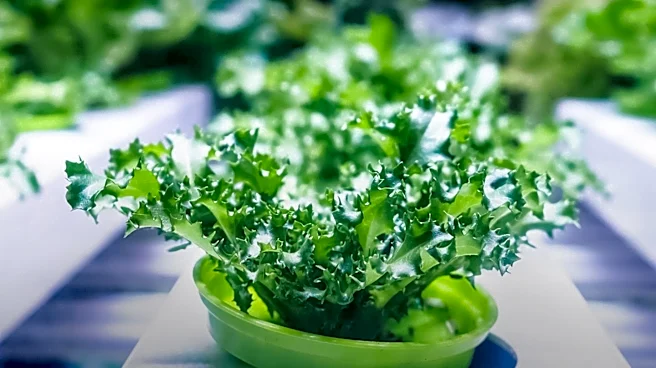
at Texas A&M University, involved adult cancer patients undergoing outpatient infusion therapy in Houston. Participants received countertop hydroponic systems (AeroGardens) and grew heirloom salad greens for eight weeks. The study found that patients reported steady improvements in mental well-being scores and a decline in self-reported depression symptoms. Additionally, participants experienced enhancements in emotional and social functioning and increased consumption of fruits and dark green leafy vegetables. This approach offers an accessible alternative to traditional outdoor gardening, which can be challenging for individuals with physical limitations or those living in urban environments.
Why It's Important?
This research highlights a non-clinical intervention that could have a substantial positive impact on the well-being of cancer patients in the U.S. Cancer diagnoses often lead to severe physical and emotional challenges, with approximately one in four U.S. cancer patients experiencing depression. Poor mental health can hinder recovery, lead to treatment interruptions, and increase the risk of recurrence. By providing an accessible and engaging activity like indoor hydroponic gardening, healthcare providers can offer a practical tool to combat depression, improve emotional resilience, and encourage healthier eating habits. This could lead to better patient outcomes, reduced healthcare burdens associated with mental health complications, and a more holistic approach to cancer care, particularly for those in urban settings or with limited mobility.
What's Next?
Future investigations are needed to validate these findings with larger and more diverse groups of patients, longer observation periods, and more objective tracking methods. The current study's single-arm design and reliance on self-reported data suggest a need for controlled trials to confirm the benefits and rule out self-selection bias. Researchers will likely explore the long-term effects of indoor gardening on patient recovery and quality of life. Additionally, there is potential for integrating such therapeutic horticulture programs into standard cancer care protocols, possibly through partnerships with healthcare providers and community organizations. The development of more accessible and user-friendly hydroponic systems could also expand the reach of these interventions to a broader patient population.
Beyond the Headlines
The study's findings extend beyond cancer patients, suggesting broader implications for mental health and well-being in various populations, especially those facing physical limitations, chronic illness, or urban living constraints. The act of nurturing plants fosters a sense of responsibility and achievement, which can be particularly empowering for individuals who may feel a loss of control due to medical conditions. This multisensory engagement with nature, even indoors, supports cognitive restoration and stress relief. The success of this pilot study could encourage further exploration into therapeutic horticulture as a complementary therapy for other conditions, potentially reducing reliance on pharmacological interventions for mental health issues and promoting a more sustainable and self-sufficient approach to personal well-being.