





What's Happening?
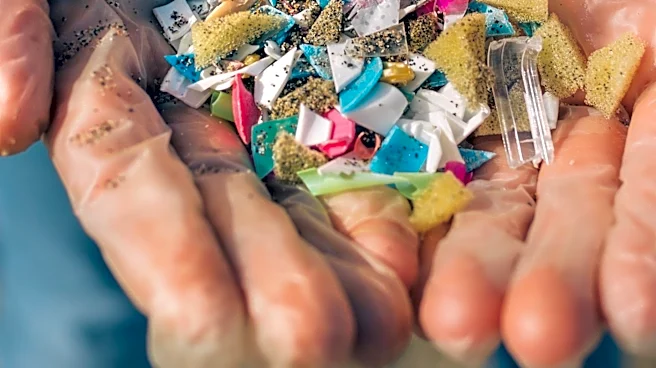
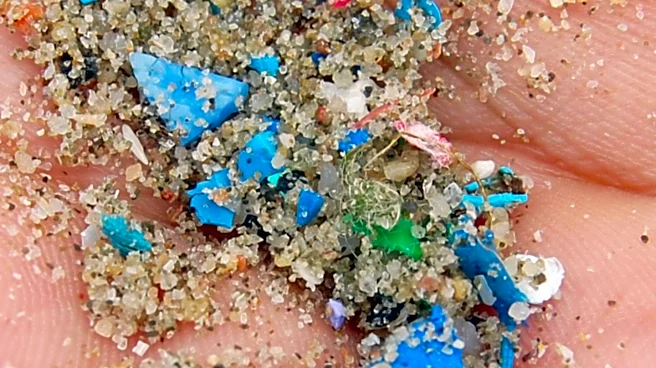
A new study has revealed that the Chesapeake Bay watershed is extensively contaminated with microplastics. The PennEnvironment Research and Policy Center conducted the study, collecting 90 water samples from 15 sites across the Chesapeake Bay and its
tributaries, spanning six states (Delaware, Maryland, New York, Pennsylvania, Virginia, West Virginia) and Washington D.C. All samples tested positive for microfibers, 93% contained microfragments, 47% had microfilm, and 27% showed microbeads. Microplastics, defined as plastic fragments up to 5 millimeters long, primarily originate from the breakdown of larger plastic items. Nina Harbison of the Maryland Public Interest Research Group highlighted the critical importance of the Chesapeake Bay, which provides drinking water to approximately 13 million people and is home to hundreds of animal species. The report underscores the pervasive nature of plastic pollution in this vital U.S. ecosystem.
Why It's Important?
The widespread microplastic contamination in the Chesapeake Bay watershed carries significant implications for both environmental and public health. Microplastics can harbor chemicals harmful to human health and attract toxins like lead, mercury, and PFAS, also known as 'forever chemicals,' which are already present in waterways. While the full effects on humans are still under study, data suggests potential links to hormonal impacts and reproductive disorders. For wildlife, Maggie Ostdahl, Director of Conservation Policy at the National Aquarium, noted that hundreds of species have been documented ingesting or becoming entangled in plastic, leading to injuries and health issues. The findings also highlight the effectiveness of existing environmental policies; Maryland's ban on plastic microbeads in personal care products by 2019 and the 2020 ban on polystyrene foam food packaging have led to significant reductions in these specific pollutants, demonstrating that policy interventions can prevent plastic pollution from entering waterways.
What's Next?
Efforts to combat plastic pollution in the Chesapeake Bay are expected to continue and potentially expand. Gov. Wes Moore previously signed an extended producer responsibility bill, shifting recycling costs to plastic producers, which Alice Volpitta of Blue Water Baltimore emphasizes is important but not sufficient. Kelly Doordan with Trash Free Maryland is advocating for the Maryland General Assembly to pass a 'bottle bill' or container deposit law in the upcoming year. This legislation, which has been repeatedly introduced but not yet passed, would add a small deposit to beverage prices, refundable upon bottle return, aiming to significantly reduce beverage container litter. Continued policy development and enforcement, alongside public awareness and participation in recycling programs, will be crucial in addressing the ongoing microplastic crisis in the Chesapeake Bay watershed.
Beyond the Headlines
The pervasive microplastic contamination in the Chesapeake Bay watershed points to a broader societal challenge regarding plastic consumption and waste management. The report implicitly raises ethical questions about the long-term environmental legacy of single-use plastics and the responsibility of both consumers and corporations. The presence of microplastics, which can attract and carry other harmful toxins, suggests a complex interplay of pollutants that could have synergistic negative effects on ecosystems and human health. This situation underscores the need for a holistic approach to environmental protection, moving beyond simple waste disposal to consider the entire lifecycle of products and the potential for persistent pollutants. The success of past bans on microbeads and polystyrene foam indicates that legislative action, when implemented, can drive significant positive change, offering a model for addressing other forms of plastic pollution.