
What's Happening?
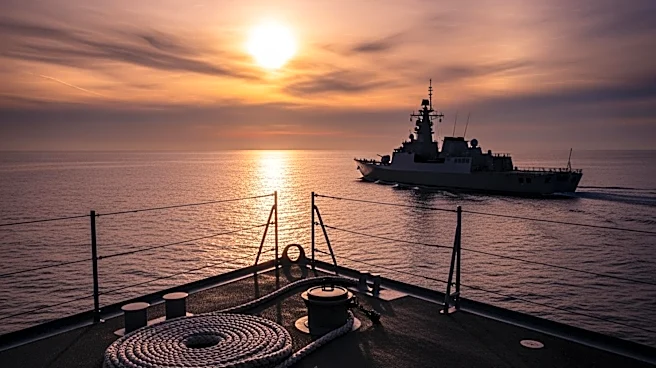
The White House has announced that Iran has proposed reopening the Strait of Hormuz, a critical maritime passage for global oil shipments, if the United States ends its blockade. This proposal comes amid
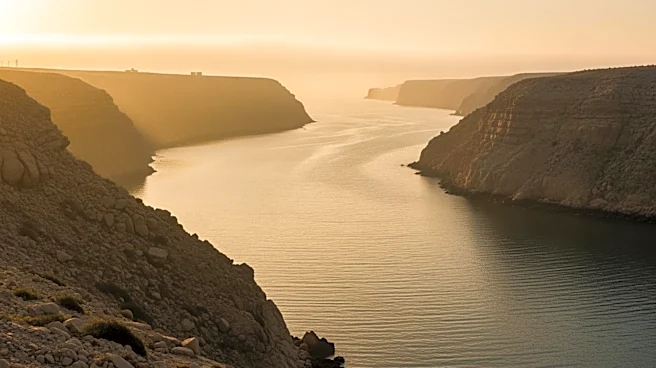
heightened tensions between the two nations, with the Strait of Hormuz being a strategic chokepoint in the Persian Gulf. The U.S. blockade has been part of broader sanctions and military strategies aimed at curbing Iran's regional influence and nuclear ambitions.
Why It's Important?
The Strait of Hormuz is a vital artery for the global oil supply, with a significant portion of the world's petroleum passing through it. Any disruption in this region can have substantial implications for global oil prices and economic stability. Iran's proposal could be seen as a diplomatic overture to ease tensions and potentially stabilize the region. However, it also places pressure on the U.S. to reconsider its strategic and economic policies towards Iran, which could have far-reaching implications for international relations and energy markets.
What's Next?
The U.S. response to Iran's proposal will be crucial in determining the future of diplomatic relations between the two countries. If the U.S. agrees to lift the blockade, it could lead to a de-escalation of tensions and a potential thaw in relations. However, if the proposal is rejected, it could lead to further confrontations and instability in the region. The international community, particularly countries reliant on oil from the Gulf, will be closely monitoring the situation.