






What's Happening?
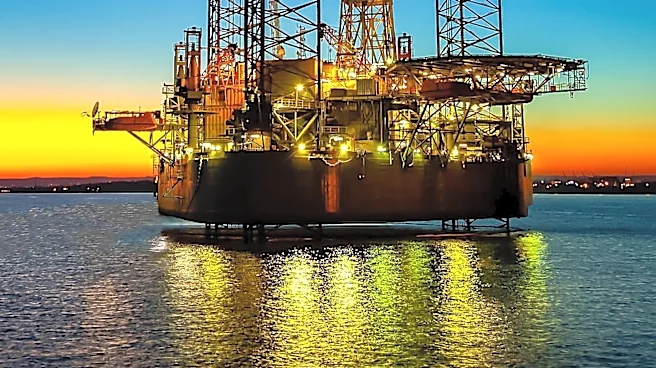
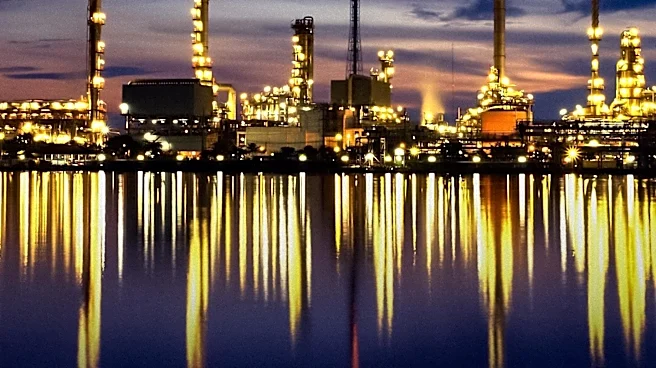
Chevron is set to sign two memoranda of understanding with Iraq, moving closer to developing the West Qurna 2 oilfield and the Nassiriya project. These agreements, while non-binding, represent significant progress in Chevron's efforts to expand its presence
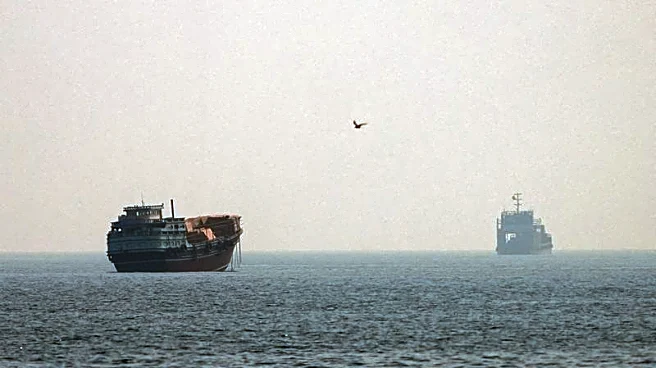
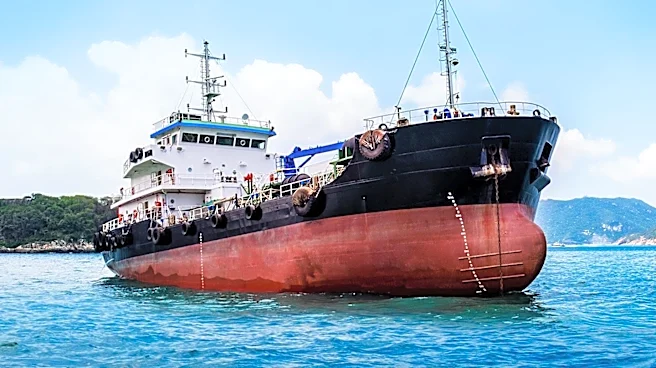
in Iraq. The West Qurna 2 field, producing 460,000 barrels per day, was nationalized by Iraq earlier this year. Chevron's involvement in the field follows U.S. sanctions on Russia's Lukoil. Additionally, Chevron is collaborating with Iraq on technical studies for new export pipelines that would bypass the Strait of Hormuz, providing a strategic exit route for Iraqi crude.
Why It's Important?
Chevron's agreements with Iraq highlight the company's strategic focus on expanding its upstream investments in the Middle East. The development of the West Qurna 2 and Nassiriya projects could significantly boost Chevron's production capacity and strengthen its position in one of OPEC's largest producers. The proposed export pipelines offer a critical alternative to the Strait of Hormuz, reducing dependency on a geopolitically sensitive route. This move aligns with broader U.S. interests in ensuring stable energy supplies and reducing vulnerabilities in global oil transportation. Chevron's actions underscore the importance of strategic infrastructure in securing energy exports.
What's Next?
The signing of the memoranda of understanding marks a step forward in Chevron's negotiations with Iraq, but further discussions are needed to finalize commercial terms. The development of new export pipelines will require collaboration with regional partners and careful consideration of geopolitical dynamics. Chevron's continued engagement with Iraq and its strategic infrastructure plans will be closely watched by industry stakeholders and policymakers. The success of these initiatives could influence future investment decisions and shape the landscape of Middle Eastern oil exports.