



What's Happening?
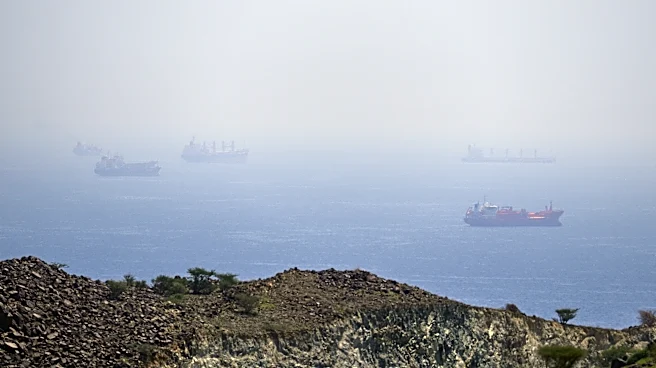
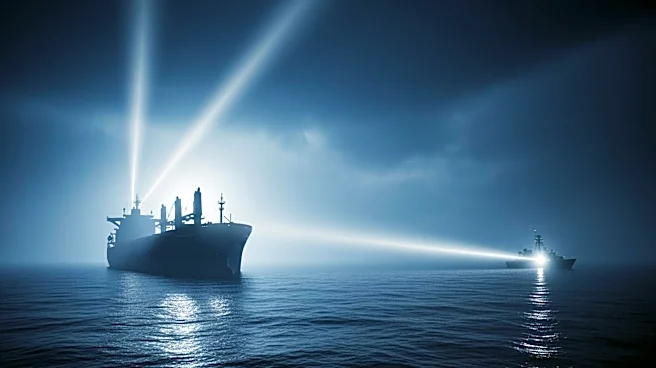
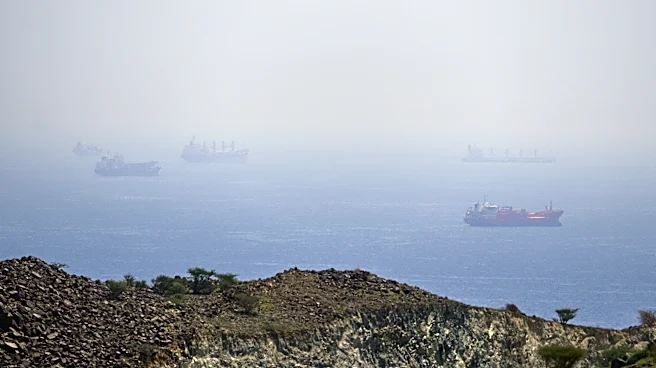
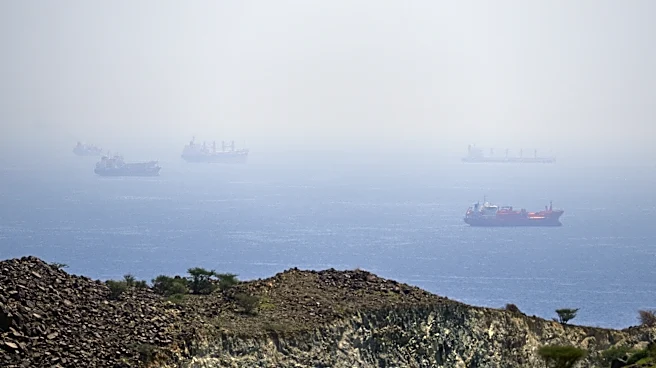
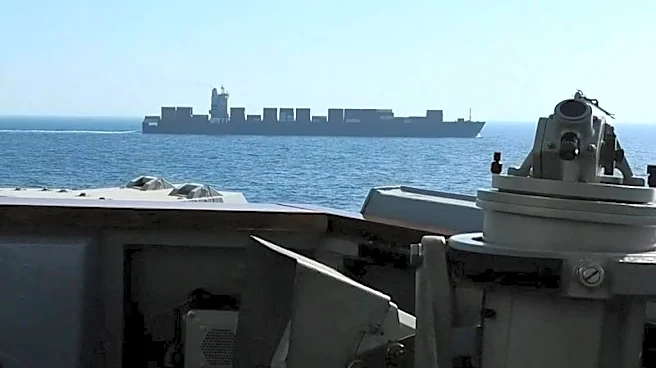
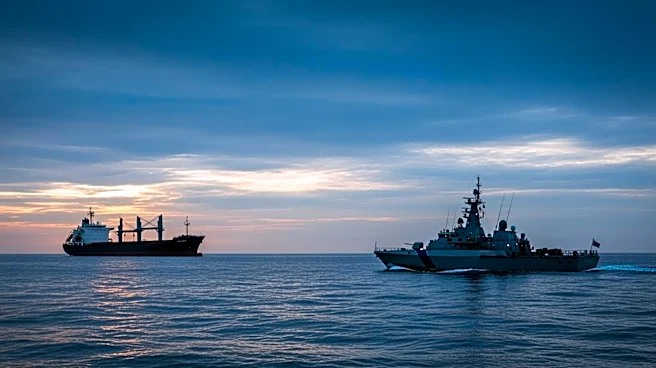
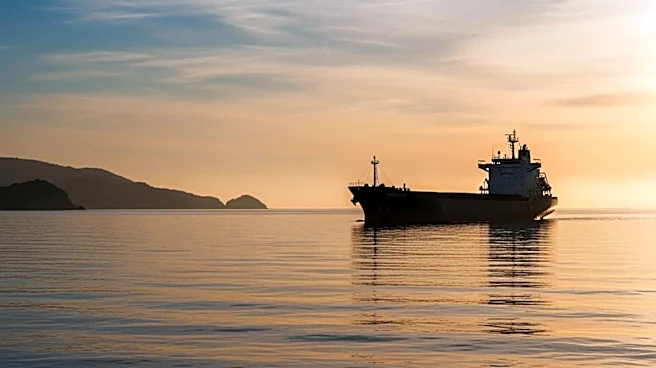
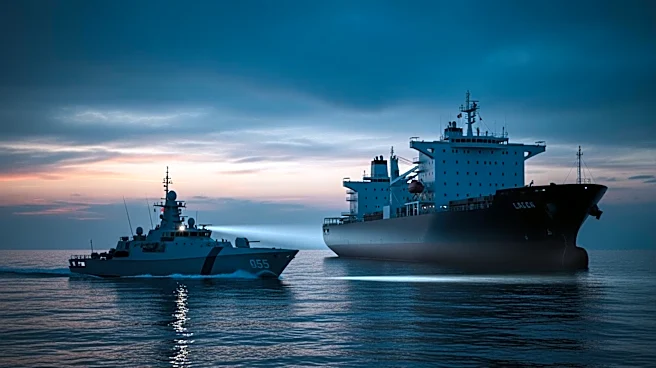
President Donald Trump announced that U.S. forces intercepted and took custody of an Iranian-flagged cargo ship attempting to breach a U.S. naval blockade in the Gulf of Oman. The vessel, identified as the TOUSKA, ignored warnings and was disabled by
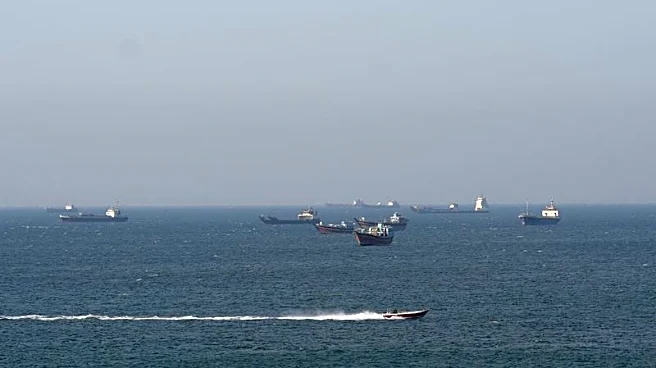
the U.S. Navy before being boarded by Marines. The incident has heightened tensions as the conflict with Iran continues, with Iran warning of retaliation for what it calls armed piracy. The blockade and closure of the Strait of Hormuz have disrupted global shipping and energy markets.
Why It's Important?
The seizure of the Iranian ship underscores the escalating tensions between the U.S. and Iran, with significant implications for global trade and energy markets. The blockade and closure of the Strait of Hormuz have led to increased oil prices and uncertainty in global supply chains. The situation affects not only regional stability but also international relations, as countries dependent on Middle Eastern oil face potential supply disruptions. The incident highlights the strategic importance of the strait and the broader implications for international diplomacy.
What's Next?
The fragile ceasefire between the U.S. and Iran is set to expire soon, with talks scheduled in Pakistan. However, Iran has not indicated it will participate, posing challenges for diplomatic progress. The ongoing blockade and closure of the strait continue to strain relations, and without resolution, military actions could resume. Stakeholders, including global oil markets and diplomatic entities, are closely monitoring the situation, hoping for a resolution that avoids further escalation.