







What's Happening?
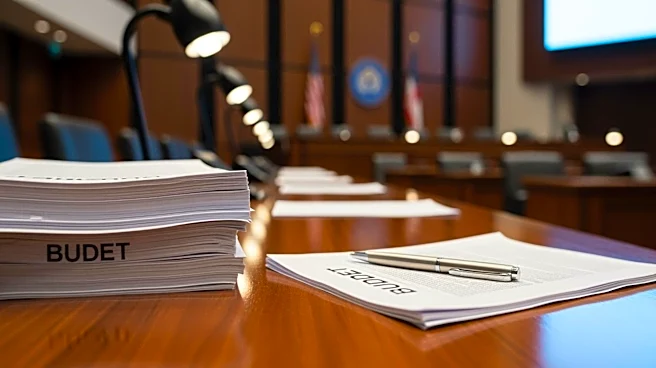
Hawaii's state legislature has finalized a $20.3 billion budget, which passed its final committee late Thursday night. Initially, lawmakers faced a significant budget shortfall over the next six years due to lost federal funding. This led to cuts across
most departments, primarily by eliminating vacant positions, which are not expected to impact operations. The Department of Budget and Finance experienced the largest funding cut at $33 million. However, overall departmental cuts were significantly lower than the Senate's original proposal. For instance, the Department of Health's proposed $25 million cut was reduced to $4.5 million in the final budget. The budget reflects a collaborative effort between the House, the Administration, and the Senate to maintain core government services and support Hawaii's residents, particularly those reliant on these services.
Why It's Important?
The finalized budget is crucial as it addresses the high cost of living and aims to deliver meaningful tax reform for Hawaii's working and middle-class families. By avoiding significant cuts to essential services, the budget ensures the continued support of vital programs that many residents depend on. The allocation of nearly $130 million from the state's new Green Fee on hotels and cruise ships underscores a commitment to environmental stewardship, funding sustainable tourism, conservation efforts, and climate resiliency. This budget not only stabilizes the state's financial outlook but also prioritizes the welfare of its citizens by balancing fiscal responsibility with social support.
What's Next?
The budget will proceed to a final vote before both the full House and Senate. If approved, it will set the financial framework for the state, impacting various sectors including health, education, and environmental projects. The outcome of this vote will determine the implementation of capital improvement projects, such as the $58 million allocated for Wahiawā Dam improvements and $446 million for school repairs. The decision will also influence the execution of the Green Fee projects, which include community stewardship and wildfire risk reduction initiatives.