







What's Happening?
Preliminary data indicates that the anticipated economic boost from the World Cup in Houston did not meet expectations. Despite hosting seven matches, hotel demand decreased year-over-year, although revenues increased due to higher rates. Some hotels,
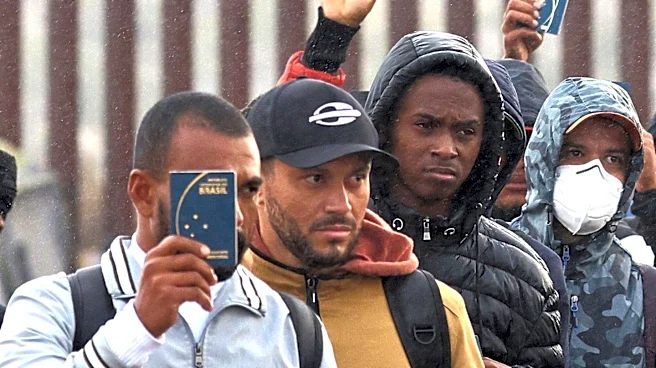
like the Post Oak Hotel, reported increased bookings, but overall occupancy rates fell. The Houston World Cup host committee had projected significant economic benefits, likening the event to hosting multiple Super Bowls. However, geopolitical concerns and visa barriers may have suppressed international demand, affecting the anticipated influx of tourists.
Why It's Important?
The discrepancy between projected and actual economic impacts highlights the challenges cities face in hosting large-scale international events. The findings may prompt a reevaluation of the economic assumptions and planning strategies for future events. The situation underscores the importance of realistic forecasting and the potential risks of overpromising economic benefits. The experience may influence how cities approach bidding for and hosting major sporting events in the future.
What's Next?
Houston officials, including Mayor John Whitmire, are expected to discuss the tournament's economic impact and address the shortfall in expected benefits. The city may conduct a comprehensive analysis to understand the factors contributing to the lower-than-expected outcomes. Future strategies may involve more conservative economic projections and enhanced efforts to address potential barriers to international tourism. The experience could inform other U.S. cities preparing to host similar events.