








What's Happening?
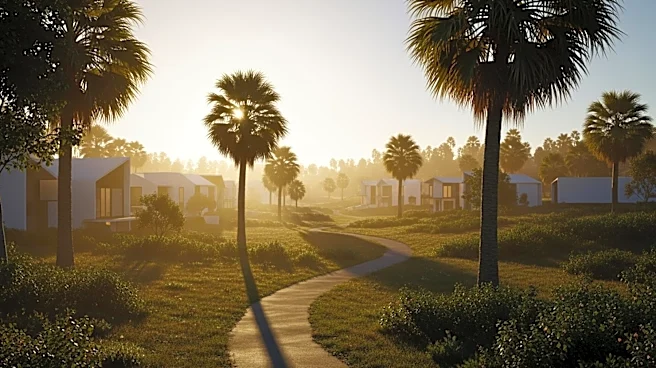
Rolando and Clarissa Requeny initially believed that purchasing a new construction home was beyond their financial reach due to perceived higher costs. However, after a failed attempt to buy a resale home, they discovered Tucker’s Cove at Babcock Ranch
in Southwest Florida. This master-planned community emphasizes sustainability and offers various financial incentives, making new construction homes more competitive with resale options. The Requenys benefited from builder incentives such as rate buydowns and closing cost assistance, which significantly reduced their monthly mortgage payments. Their new home, priced under $400,000, also offers lower utility bills and insurance premiums due to its energy-efficient and storm-resilient features.
Why It's Important?
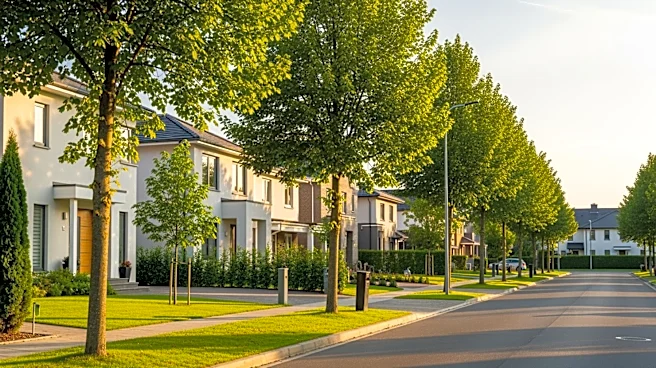
The shift towards new construction homes as a viable option for buyers highlights a significant trend in the real estate market. With builders offering incentives that reduce both upfront and ongoing costs, new homes are becoming more accessible, especially for first-time buyers. This trend is particularly relevant in high-risk areas like Florida, where insurance costs are a major concern. The Requenys' experience underscores the potential for long-term savings through lower utility and insurance costs, making new construction an attractive option for those priced out of the resale market. This development could influence future housing market dynamics, encouraging more buyers to consider new builds.
What's Next?
As the real estate market continues to evolve, the appeal of new construction homes may grow, especially if builders maintain or increase their incentive offerings. This could lead to a shift in buyer preferences, with more individuals opting for new builds over resale homes. Additionally, the focus on sustainability and energy efficiency in new construction could drive further innovation in building practices. For communities like Babcock Ranch, the emphasis on creating a sense of community and offering financial benefits may serve as a model for future developments, potentially reshaping the housing landscape in regions prone to severe weather conditions.
Beyond the Headlines
The trend towards new construction homes also raises questions about the long-term sustainability of such developments. While the immediate financial benefits are clear, the environmental impact of large-scale new construction projects must be considered. Communities like Babcock Ranch, which prioritize sustainability, may set a precedent for future developments. However, balancing growth with environmental stewardship will be crucial. Additionally, the emphasis on community building in these developments highlights a cultural shift towards valuing social connections and support networks, which could influence future urban planning and housing policies.