






What's Happening?
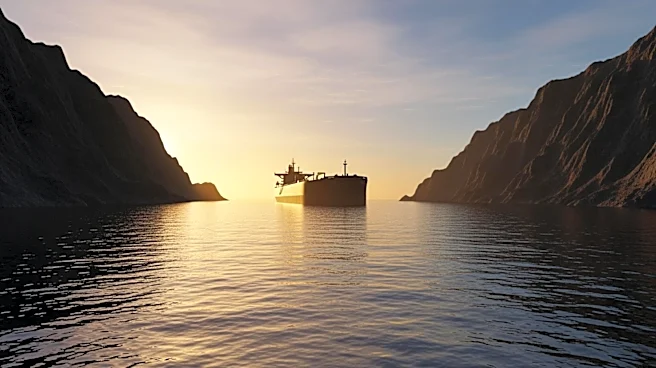
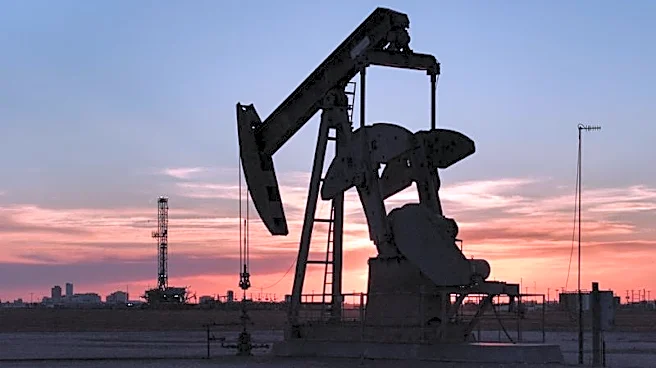
Oil prices have risen significantly due to escalating tensions in the Strait of Hormuz, following ship attacks and seizures linked to U.S.-Iran conflicts. Brent crude futures increased by over 3%, while U.S. West Texas Intermediate futures saw a similar
rise. The geopolitical instability has heightened concerns over the security of oil shipments through the strait, a vital passage for global oil and liquefied natural gas exports. The situation remains tense as diplomatic efforts to resolve the conflict have stalled, with both the U.S. and Iran adopting confrontational stances.
Why It's Important?
The Strait of Hormuz is a critical chokepoint for the global oil supply, with about a fifth of the world's oil passing through it. Any disruption in this region can have significant implications for global energy markets, leading to price volatility and potential supply shortages. The current tensions underscore the fragility of global oil supply chains and the impact of geopolitical conflicts on energy security. The rise in oil prices could affect various sectors, including transportation and manufacturing, potentially leading to increased costs for consumers and businesses.
What's Next?
The international community will be closely monitoring the situation in the Strait of Hormuz, as further escalations could lead to more severe disruptions in oil supply. Diplomatic efforts may intensify to prevent a full-scale conflict and ensure the safe passage of oil shipments. Market analysts will be watching for any signs of resolution or further deterioration in U.S.-Iran relations, as these will influence future oil price movements. The outcome of these developments will have far-reaching consequences for global energy markets and economic stability.