

What's Happening?
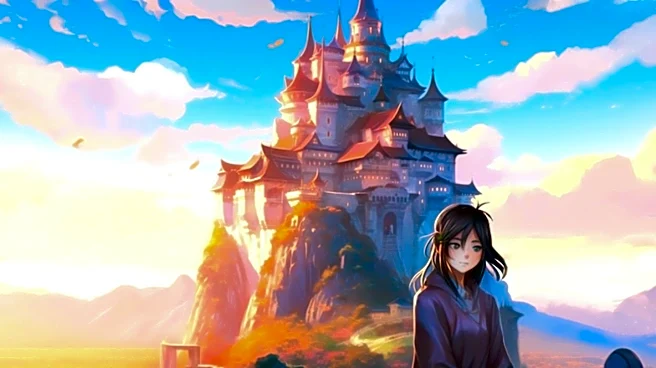
AI-generated anime art is a burgeoning field where artificial intelligence is utilized to produce artwork that emulates the unique visual style of anime and manga. This creative process leverages AI technology to generate images that capture the aesthetic
characteristics commonly found in traditional anime. The development signifies a growing trend in digital art, where AI tools are becoming increasingly sophisticated in their ability to replicate and create complex artistic styles. The rapid advancements in AI-generated content, particularly in text generation, suggest that the distinction between AI-created and human-created content will become progressively blurred. This evolution in AI capabilities is transforming various creative industries, including art, by offering new methods for content production and stylistic exploration. The core development is the application of AI to a specific artistic genre, demonstrating the versatility and evolving potential of artificial intelligence in creative domains.
Why It's Important?
The emergence of AI-generated anime art holds significant implications for the art industry, creative professionals, and intellectual property discussions. For artists, it presents both opportunities and challenges; AI tools can serve as powerful aids for inspiration, rapid prototyping, and exploring new styles, potentially democratizing art creation. However, it also raises concerns about job displacement and the devaluation of human artistic skill. Economically, the development could lead to new markets for AI art tools and platforms, as well as a shift in how digital content is produced and consumed. The ability of AI to mimic and generate art styles like anime could impact the demand for human artists specializing in these areas. Furthermore, the increasing sophistication of AI in generating content, as noted with text, suggests a broader societal impact where the authenticity and origin of creative works will become a more complex issue, affecting consumers' perceptions and the value placed on art.
What's Next?
Looking ahead, the field of AI-generated anime art is likely to see continued advancements in the sophistication and nuance of AI models, leading to even more realistic and stylistically diverse outputs. This will likely prompt further discussions and potential regulations regarding intellectual property rights for AI-generated content, as well as the ethical considerations surrounding its creation and use. We can anticipate the development of more user-friendly AI art generation platforms, making these tools accessible to a wider audience, from hobbyists to professional studios. This accessibility could foster a new wave of digital artists who integrate AI into their creative workflows. Additionally, the blurring lines between human and AI-generated art will necessitate new methods for authentication and attribution, potentially leading to the development of AI detection tools or industry standards for disclosing AI involvement in creative works. The evolution of this technology will also likely influence educational curricula in art and design, incorporating AI tools and techniques.
Beyond the Headlines
The rise of AI-generated anime art delves into profound philosophical and cultural questions about creativity, authorship, and the definition of art itself. If AI can produce aesthetically pleasing and stylistically coherent artwork, does it diminish the unique value of human creativity? This development challenges traditional notions of the artist as the sole originator of a work, introducing a new paradigm where algorithms play a significant role. Culturally, the ability of AI to replicate and generate specific artistic styles like anime could lead to a proliferation of content that, while visually appealing, might lack the deeper cultural context or personal expression typically embedded in human-made art. This could potentially dilute the cultural significance of certain art forms or lead to a homogenization of styles. Legally, the ownership and copyright of AI-generated art remain a complex and evolving area, with implications for how creative works are protected and monetized in the digital age. The ethical dimensions extend to the potential for AI to generate content that could be used for misinformation or to perpetuate stereotypes, especially if trained on biased datasets.