

What's Happening?
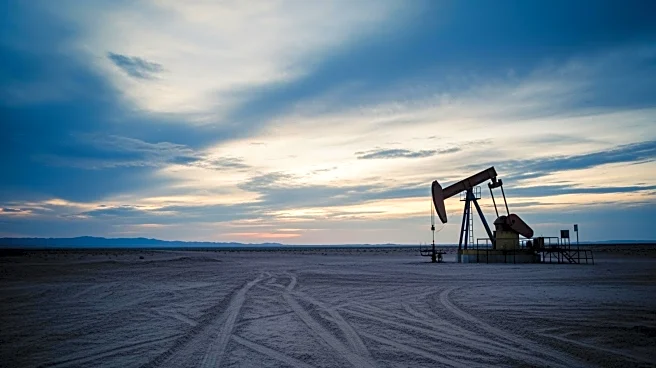
The Bureau of Land Management (BLM) recently held an oil and gas lease auction in Colorado, offering over 20,000 acres of public land for drilling. Despite the low starting price of $10 per acre, the auction failed to attract any bids. This outcome highlights
the limitations of the Trump administration's efforts to expand domestic oil and gas production. Many areas with easily accessible oil have already been developed, leaving less desirable parcels available. The auction's failure follows a previous sale in December that generated nearly $5 million but did not meet the administration's revenue expectations.
Why It's Important?
The lack of interest in the BLM auction underscores the challenges facing the U.S. oil and gas industry, particularly in terms of finding new, economically viable drilling sites. The situation reflects broader trends in the energy sector, where the focus is shifting towards renewable energy sources and sustainability. The auction's outcome also raises questions about the effectiveness of policies aimed at achieving energy dominance and the environmental impact of continued fossil fuel extraction. The failure to attract bids may prompt a reevaluation of land management strategies and the role of public lands in energy production.
What's Next?
The BLM is required to hold regular lease sales, and future auctions may face similar challenges if the available parcels remain unattractive to bidders. The agency may need to explore alternative strategies for managing public lands and supporting energy production. The situation could also influence policy discussions about the balance between energy development and environmental conservation. As the energy landscape continues to evolve, the BLM and other stakeholders will need to adapt to changing market dynamics and regulatory environments.
Beyond the Headlines
The auction's failure highlights the broader implications of fossil fuel dependency and the need for a transition to sustainable energy sources. The situation raises ethical questions about the use of public lands for resource extraction and the long-term environmental impact of such activities. The outcome also reflects societal debates about the role of government in managing natural resources and the balance between economic development and environmental stewardship. As the world grapples with climate change and resource scarcity, the future of energy production will remain a critical area of focus.