



What's Happening?
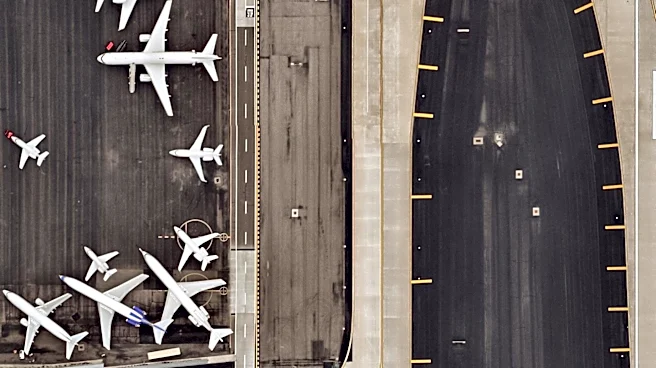
The Chicago Department of Aviation (CDA) and the Federal Aviation Administration (FAA) are jointly investigating a series of unusual incidents involving blown tires on airplanes at O'Hare International Airport. In recent days, three planes experienced
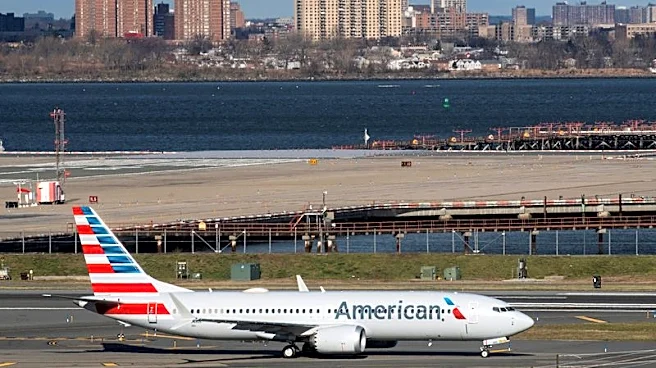
tire damage, with two incidents occurring just hours apart on a single Monday. An American Airlines flight arriving from LaGuardia blew two tires upon landing, though passengers disembarked safely using stairs. Later the same day, a United plane from Omaha, Nebraska, also suffered tire damage upon arrival. These events follow a separate incident less than a week prior where a United plane had to abort takeoff due to blown tires. CDA Commissioner Mike McMurray stated that these occurrences are rare and that the investigations will determine if weather conditions played a role, noting that the incidents happened on different runways. Safety is paramount for the CDA, FAA, and airline partners, and they are working to understand the cause of these "rare" events.
Why It's Important?
The investigation into multiple blown tires at O'Hare International Airport is critically important for aviation safety and the operational integrity of one of the world's busiest airports. Such incidents, while rare, can pose significant risks to passengers and crew, disrupt flight schedules, and incur substantial costs for airlines. The fact that these events occurred on different runways suggests that the cause might not be isolated to a single infrastructure issue, prompting a broader inquiry into potential contributing factors such as weather, maintenance protocols, or even manufacturing defects. For the U.S. aviation industry, ensuring the reliability of aircraft components and airport infrastructure is paramount to maintaining public confidence in air travel. The findings of this investigation could lead to revised safety procedures, enhanced maintenance checks, or even design modifications for aircraft tires, impacting airlines and manufacturers nationwide. Any systemic issues identified could have far-reaching implications for airport operations and safety standards across the country.
What's Next?
The Chicago Department of Aviation and the FAA will continue their joint investigation, focusing on identifying the root causes of the multiple blown tire incidents at O'Hare. This will likely involve detailed examinations of the affected aircraft, analysis of runway conditions, review of maintenance records, and assessment of weather data from the days of the incidents. The CDA Commissioner McMurray indicated that they hope to determine the cause soon. Depending on the findings, potential next steps could include issuing new safety directives to airlines, implementing stricter inspection protocols for aircraft tires, or making adjustments to airport runway maintenance practices. The ongoing $8.8 billion expansion program at O'Hare, which includes new concourses and a global terminal, will proceed as planned, with construction for Concourse D projected to be completed by late 2028. While these construction efforts are separate from the tire incidents, the overall focus on airport safety and efficiency will remain a top priority as O'Hare continues to expand its capacity and enhance the passenger experience.
Beyond the Headlines
Beyond the immediate safety concerns, the incidents at O'Hare highlight the complex interplay of factors that ensure the smooth operation of modern air travel. The rarity of multiple blown tires suggests that even with rigorous safety standards, unforeseen variables can emerge. This situation could prompt a deeper look into the resilience of aviation systems against environmental stressors, given the mention of potential weather impacts. It also underscores the continuous need for collaboration between airport authorities, regulatory bodies like the FAA, and airline partners to maintain an impeccable safety record. The public's perception of air travel safety is highly sensitive to such events, and a thorough, transparent investigation is crucial for preserving trust. Furthermore, the incidents could indirectly influence technological advancements in tire design and monitoring systems for aircraft, pushing for innovations that can detect potential failures before they occur. This ongoing vigilance and adaptation are essential for the future of air transportation, ensuring that safety remains the cornerstone of the industry.