







What's Happening?
Pacific Island nations are calling for a global phase-out of fossil fuels to protect their health and environment, emphasizing this as a critical priority for COP31. Despite contributing only 0.02% of global carbon emissions, these nations face severe
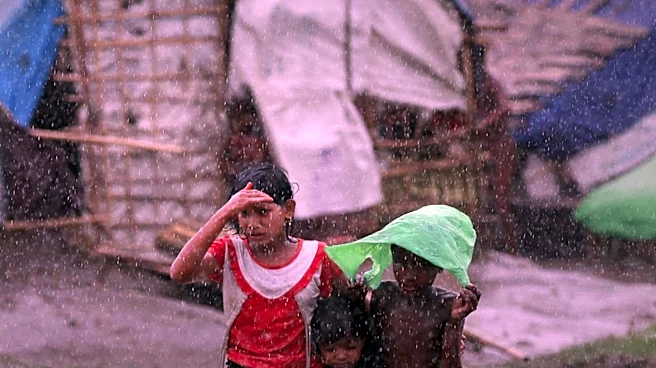
climate impacts, including land loss, increased disease risk, and disruptions to food and water security. A report, 'Voices of the Vanua,' developed by Australia’s Climate and Health Alliance (CAHA) and Fiji’s Alliance for Future Generations, outlines four key priorities: phasing out fossil fuels to keep global warming below 1.5°C, ensuring climate financing is debt-free, flexible, sustained, and directly delivered to communities, upholding the rights and voices of frontline communities in climate decision-making, and elevating ocean protection as a core priority. The report highlights that many developing countries are forced to expand fossil fuel production to repay foreign debts, exacerbating global warming and domestic food insecurity. Developed nations are also failing to meet their Paris Agreement commitments for climate finance, often providing loans instead of grants, which worsens the debt crisis for vulnerable countries.
Why It's Important?
This advocacy is crucial as it highlights the disproportionate impact of climate change on vulnerable nations and the systemic issues hindering effective climate action. The call for debt-free climate financing directly addresses a significant barrier for developing countries, many of which are spending a large portion of their national revenue on debt servicing rather than climate action or essential services. The emphasis on phasing out fossil fuels underscores the urgency of transitioning to renewable energy sources to mitigate severe environmental and health consequences. The report also brings to light the ethical implications of developed nations' historical contributions to climate change and their current failure to adequately support affected countries. By demanding that Pacific voices shape climate priorities, the initiative seeks to ensure that solutions are culturally appropriate and effective for those most impacted, challenging existing power dynamics in international climate negotiations.
What's Next?
As COP31 commences, Australia, as the President of Negotiations, faces pressure to support outcomes that protect Pacific peoples' health, safety, lands, and culture. The recommendations from 'Voices of the Vanua' will likely form a basis for discussions and demands from Pacific Island nations. There will be continued calls for developed countries to fulfill their climate finance commitments, specifically in the form of grants rather than loans, and for reforms to the global debt architecture to alleviate the burden on climate-vulnerable nations. The ongoing struggle to keep global warming below 1.5°C will necessitate concrete actions on fossil fuel reduction and increased investment in renewable energy. The international community will be watching to see if the concerns and priorities of frontline communities are genuinely integrated into the decisions made at COP31 and beyond.
Beyond the Headlines
The situation in the Pacific Islands reveals deeper ethical and historical injustices rooted in colonialism and ongoing financial exploitation. The report from CAHA and the Alliance for Future Generations points out that the debt crisis for developing countries is driven by historical resource exploitation and current financial practices by the Global North. This suggests that climate action cannot be separated from broader issues of economic justice and historical accountability. The call for debt cancellation and reform of global financial structures highlights a fundamental shift needed in international relations, moving beyond aid to genuine reparations and equitable partnerships. The plight of environmental defenders, with 124 murdered in 2025, further underscores the human cost of resource extraction and the urgent need for stronger protections for those safeguarding their lands and communities. This broader context suggests that climate change is not merely an environmental issue but a complex challenge intertwined with human rights, economic inequality, and geopolitical power.