





What's Happening?
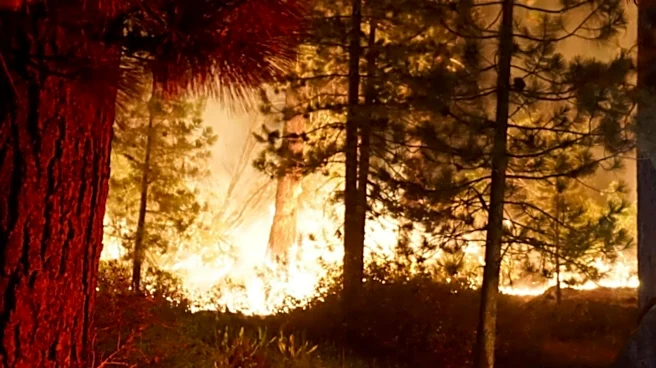
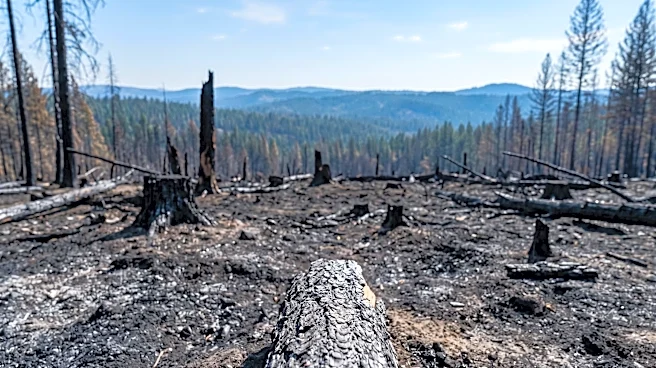
More than 80% of wildfires responded to by the Idaho Department of Lands this year have been caused by humans, according to Director Dustin Miller. Miller shared this statistic with the Idaho Legislature’s Natural Resources Interim Committee, emphasizing
the need for robust fuels mitigation and prevention programs. By the end of September, 10,000 acres of land under the department's protection had burned. This trend of human-caused fires is not new, as Miller also reported a spike in such incidents in 2023. The state's wildfire suppression fund maintained a positive balance throughout the season, thanks to a $32 million infusion from the Idaho Legislature, avoiding the need for deficiency warrants. The department is currently calculating next year's wildfire funding estimate. The causes of these fires include uncontrolled burning debris piles, sparks from equipment, discarded cigarette butts, and unextinguished campfires.
Why It's Important?
The high percentage of human-caused wildfires in Idaho highlights a significant public safety and environmental concern. These fires incur substantial costs, with the state's wildfire expenses reaching over $47 million by the end of September, though a portion may be reimbursable. Beyond financial burdens, wildfires threaten the safety of firefighters and the public, destroy property, and burn state endowment timber lands, which generate funds for public schools. The long-term effects include rehabilitation and recovery costs, as well as ecological damage. The focus on human-caused fires prompts questions from legislators regarding accountability and prevention, with some advocating for stronger penalties for those responsible. The state's efforts to recoup costs from negligent individuals or groups are often lengthy and sometimes result in settlements for less than the full suppression costs, indicating a challenge in fully recovering public funds.
What's Next?
The Idaho Department of Lands is in the process of calculating its wildfire funding estimate for the upcoming year, which will inform future budgetary allocations and resource planning. Legislators are pushing for more answers regarding the high incidence of human-caused fires and exploring potential measures to address the issue. This could include discussions on stronger penalties for negligence and enhanced prevention programs. The state will continue its investigations into the cause of every fire, aiming to recoup funds from individuals or groups deemed negligent, although this process can be protracted and not always fully successful. Public awareness campaigns and educational initiatives may also be intensified to encourage more responsible behavior and reduce human-caused ignitions.
Beyond the Headlines
The prevalence of human-caused wildfires in Idaho underscores a broader societal challenge related to human interaction with natural environments. It raises ethical questions about individual responsibility and the collective impact of seemingly minor actions, such as discarding a cigarette or failing to properly extinguish a campfire. The financial strain on state resources, coupled with the environmental degradation and threats to public safety, highlights the need for a comprehensive approach that combines enforcement, education, and proactive land management. The ongoing struggle to recoup costs from negligent parties also points to potential legal and policy gaps that could be addressed to ensure greater accountability and deter future incidents. This situation reflects a tension between individual freedoms and the collective good, particularly in the context of shared natural resources and public safety.