







What's Happening?
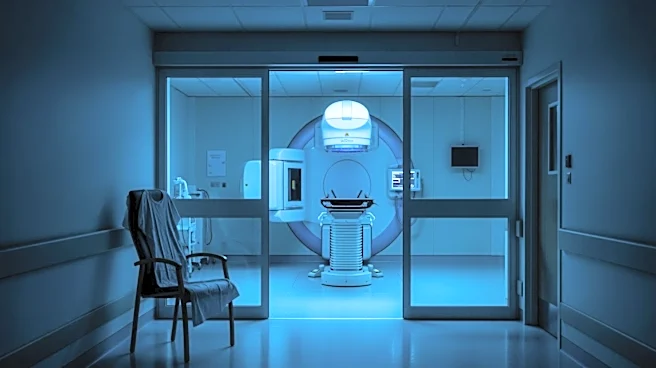
In the UK, a significant shortage of radiotherapy machines is causing severe challenges for cancer patients, with some reportedly dying due to lack of access to timely treatment. John Kiely, a 69-year-old cancer patient from Weston-super-Mare, has been
forced to travel 40 miles daily to Bristol Royal Infirmary for his treatment, a journey that has taken a toll on his health and energy levels. This situation has prompted Kiely to campaign for a local radiotherapy unit. Pat Price, chair of Radiotherapy UK, has highlighted that the UK does not have enough radiotherapy machines, leading to what she describes as 'radiotherapy deserts,' particularly in rural areas. These shortages mean that only about 35% of UK cancer patients receive radiotherapy, which is below the international recommendation of 53%. The lack of access can lead to patients opting out of treatment or receiving less effective alternatives.
Why It's Important?
The shortage of radiotherapy machines in the UK underscores significant disparities in healthcare access, particularly affecting rural areas. This situation not only impacts patient survival rates but also places additional physical and emotional burdens on those already battling cancer. The issue highlights the need for equitable healthcare infrastructure to ensure all patients have access to necessary treatments. The current state of radiotherapy availability could lead to increased mortality rates and highlights the importance of government investment in healthcare resources. The campaign by John Kiely and support from local MPs like Dan Aldridge emphasize the urgent need for policy changes to address these healthcare gaps.
What's Next?
The ongoing campaign for more localized radiotherapy units may prompt further governmental review and potential investment in healthcare infrastructure. The feasibility study by University Hospitals Bristol and Weston Trust could lead to the establishment of new radiotherapy units, reducing travel burdens for patients. Additionally, increased public and political pressure might result in policy changes aimed at improving healthcare access and resource allocation. The government’s response to these campaigns and studies will be crucial in determining the future landscape of cancer treatment accessibility in the UK.
Beyond the Headlines
The situation raises ethical questions about healthcare equity and the responsibility of governments to provide adequate medical resources to all citizens, regardless of geographic location. It also highlights the potential long-term impacts on public trust in the healthcare system if disparities are not addressed. The campaign for better access to radiotherapy could serve as a catalyst for broader healthcare reforms, potentially influencing policy decisions beyond cancer treatment to include other critical healthcare services.