
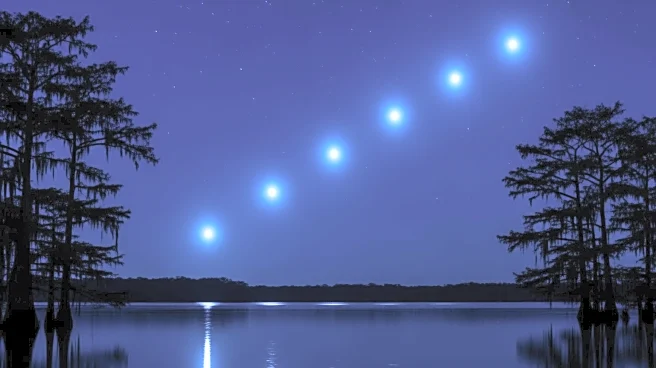
What's Happening?
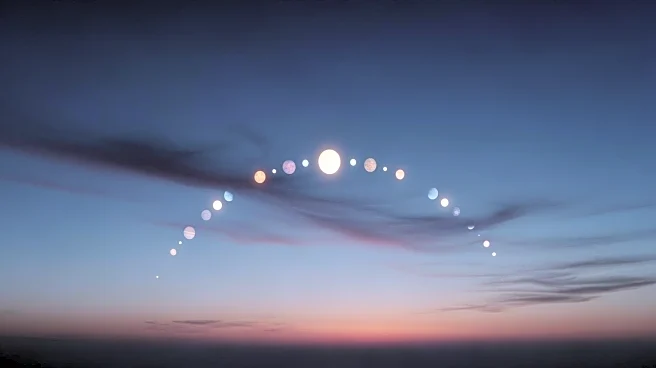
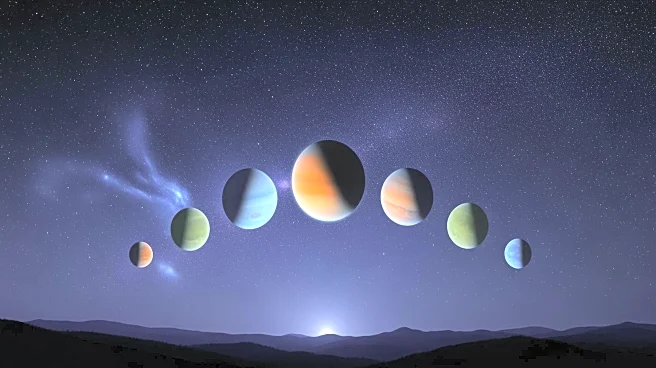
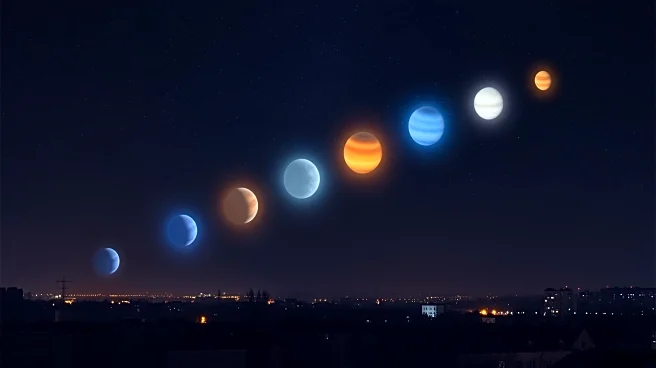
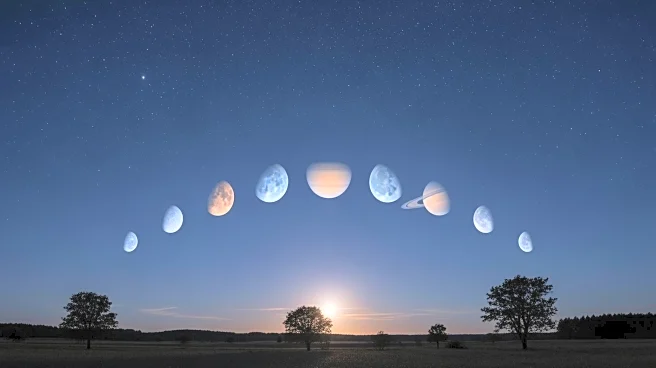
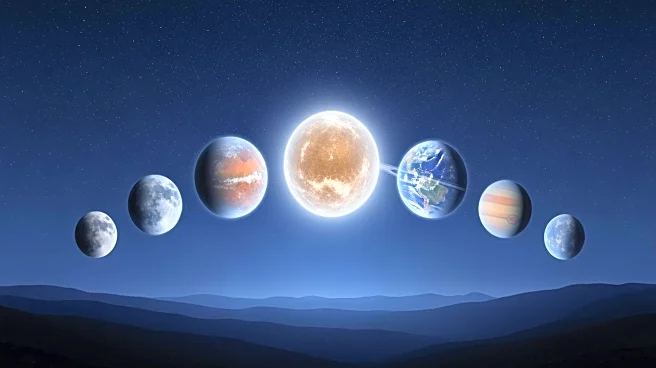
Skywatchers are preparing for a rare astronomical event where six planets will align in a 'planetary parade' visible low in the sky. This event is concentrated around February 28, with the best viewing opportunities occurring on the nights surrounding
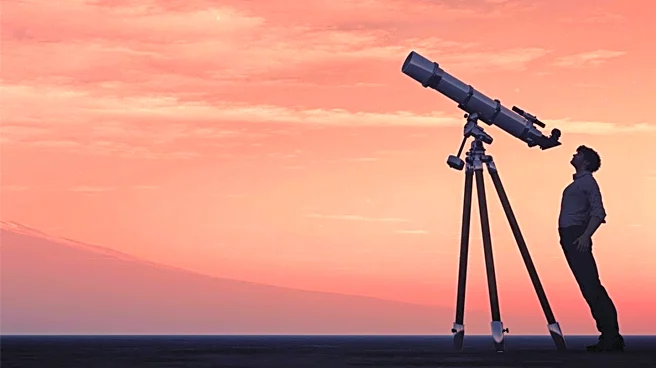
this date. Mercury, Venus, and Saturn will be visible low in the western sky after sunset, while Jupiter will be high in the eastern sky. Observers are advised to find a location with a clear view of the horizon and use a smartphone stargazing app to locate the planets. Neptune and Uranus may require a telescope for viewing due to their dimness and proximity to the sun's glare.
Why It's Important?
This celestial event offers a unique opportunity for both amateur and professional astronomers to observe multiple planets in alignment. Such events can spark public interest in astronomy and science, encouraging educational activities and community gatherings centered around stargazing. The alignment also provides a chance for scientific observations and photography, contributing to ongoing studies of planetary movements and celestial mechanics. The event's visibility across the U.S. makes it accessible to a wide audience, potentially inspiring future generations of astronomers.
What's Next?
Observers are encouraged to prepare for the event by selecting optimal viewing locations and ensuring they have the necessary equipment, such as telescopes for viewing Neptune and Uranus. Weather conditions will play a significant role in visibility, so skywatchers should monitor forecasts and plan accordingly. The event may lead to increased interest in upcoming astronomical phenomena, with enthusiasts likely to continue engaging with stargazing activities and related educational content.
Beyond the Headlines
The planetary parade highlights the importance of preserving dark skies and reducing light pollution, which can hinder the visibility of such celestial events. It also underscores the role of technology, such as smartphone apps, in enhancing public engagement with astronomy. The event may prompt discussions on the cultural and historical significance of planetary alignments, as well as their impact on ancient and modern societies.