



What's Happening?
President Trump has reignited interest in acquiring Greenland, a move that has puzzled many due to its lack of strategic or economic rationale. This interest has led to heightened tensions with Denmark and its European allies, who are now bolstering military
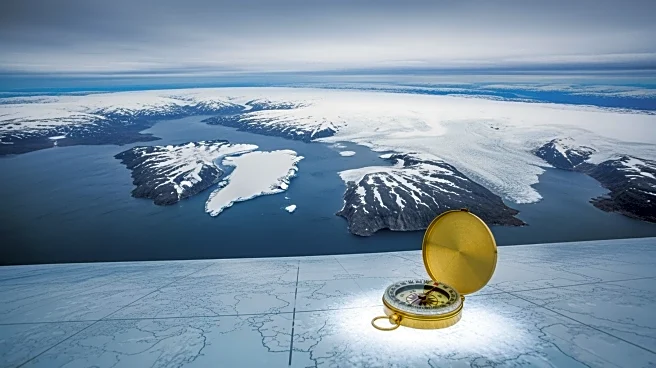
defenses in Greenland to deter any potential U.S. military action. The situation has unfolded against a backdrop of Trump's broader foreign policy actions, which have been characterized by a departure from traditional U.S. alliances and norms. This includes a perceived undermining of NATO, despite its recent strengthening in response to global security challenges. Trump's focus on Greenland, a territory with a small population and largely covered by ice, has not been driven by any significant domestic or international demand, making it a unique and controversial aspect of his presidency.
Why It's Important?
The renewed focus on Greenland by President Trump highlights a significant shift in U.S. foreign policy priorities, potentially straining relations with key allies. Denmark, a close ally, is now taking defensive measures, indicating a serious diplomatic rift. This development could weaken NATO's cohesion at a time when global security threats are rising, particularly following Russia's actions in Ukraine. The move also raises questions about the U.S.'s commitment to the rules-based international order that has been a cornerstone of global stability since World War II. Domestically, the lack of public support for the acquisition of Greenland suggests a disconnect between the administration's actions and public opinion, which could have implications for domestic political dynamics.
What's Next?
The international community will likely watch closely how this situation develops, particularly in terms of U.S.-Denmark relations and the broader implications for NATO. European allies may seek to strengthen their own security measures independently of the U.S., potentially leading to a realignment of military and diplomatic strategies in the region. Domestically, the U.S. administration may face increased scrutiny from both political opponents and the public regarding its foreign policy decisions. The situation could also prompt discussions within NATO about the future of the alliance and its strategic priorities.
Beyond the Headlines
This situation underscores the complexities of modern geopolitics, where traditional alliances and strategies are being tested by unconventional leadership decisions. The focus on Greenland, while seemingly minor, could have long-term implications for U.S. influence and credibility on the world stage. It also highlights the challenges of balancing national interests with global responsibilities, a theme that is increasingly relevant in today's interconnected world.