




What's Happening?
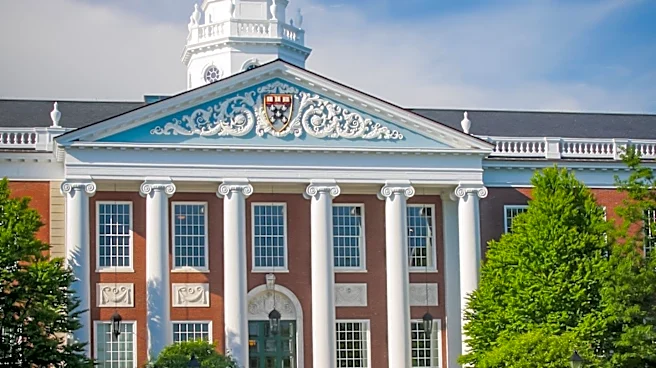
Harvard University has agreed to a proposed $53 million settlement with families who accused the institution of mishandling its anatomical gift program. This class action lawsuit stems from the actions of Cedric Lodge, a former morgue manager at Harvard Medical
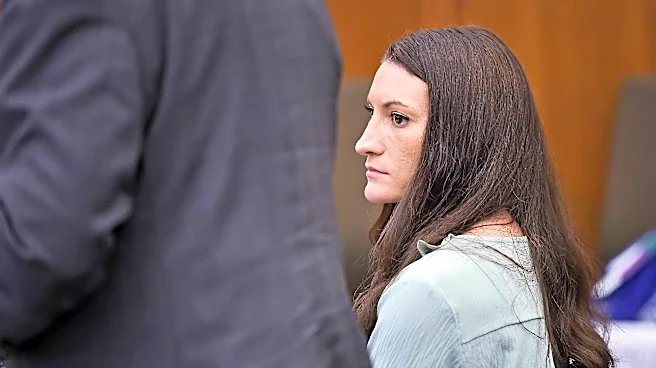
School, who was found to have stolen and sold body parts from cadavers donated for medical research and education. The settlement, which received preliminary approval from Massachusetts Superior Court Judge Debra A. Squires-Lee, aims to resolve claims against the university. A final approval hearing for the settlement is scheduled for December 9, 2026. Lodge pleaded guilty to interstate transport of stolen human remains and was sentenced to eight years in prison, while his wife, Denise Lodge, received a sentence of 12 months and one day. Prosecutors stated that Lodge engaged in the sale and transport of organs, brains, skin, hands, faces, dissected heads, and other parts from donated cadavers between 2018 and March 2020, before their proper disposal. He transported these remains to his New Hampshire home without the knowledge or permission of Harvard, the donors, or their families.
Why It's Important?
This settlement highlights critical issues surrounding the ethical handling of human remains in academic and medical institutions and the profound impact such breaches have on donor families. The case underscores the importance of stringent oversight and accountability within anatomical gift programs to maintain public trust and respect for those who donate their bodies for scientific advancement. The substantial financial settlement reflects the severity of the emotional distress and betrayal experienced by the families, as well as the institutional responsibility Harvard bears, even if the actions were attributed to an individual employee. The incident could prompt other universities and medical schools to review and strengthen their protocols for managing donated human remains, ensuring that similar violations are prevented. It also brings to light the potential for a black market in human remains, a disturbing aspect that necessitates greater vigilance and legal enforcement.
What's Next?
The proposed settlement awaits final approval from Massachusetts Superior Court Judge Debra A. Squires-Lee, with a hearing scheduled for December 9, 2026. If approved, the $53 million will be distributed through two funds to resolve the claims against Harvard University. In addition to the financial compensation, Harvard Medical School has pledged to issue a statement to claimant families, reaffirming that Lodge's criminal acts were "morally reprehensible and inconsistent with the standards that Harvard University and HMS expect for the treatment of anatomical donors and their loved ones." The university also plans to establish an annual financial aid scholarship for medical students, beginning in the 2027-2028 academic year, as a gesture of appreciation and honor for its anatomical donors. This initiative aims to create a lasting positive legacy from a deeply troubling incident and reinforce the value of anatomical donations.
Beyond the Headlines
The Harvard settlement extends beyond financial compensation, touching upon deeper ethical and societal implications regarding the sanctity of human remains and the trust placed in academic institutions. The incident exposes a vulnerability in the system where individuals can exploit positions of trust for personal gain, leading to a profound violation of dignity for the deceased and their families. This case could trigger a broader re-evaluation of legal frameworks and institutional policies governing anatomical donations across the U.S., potentially leading to more rigorous background checks, enhanced security measures for morgues, and clearer guidelines for the disposal and tracking of human remains. The establishment of a scholarship in honor of donors also signifies an attempt to restore moral integrity and acknowledge the invaluable contribution of those who donate their bodies to science, fostering a culture of respect and gratitude that was severely undermined by Lodge's actions.