
What's Happening?
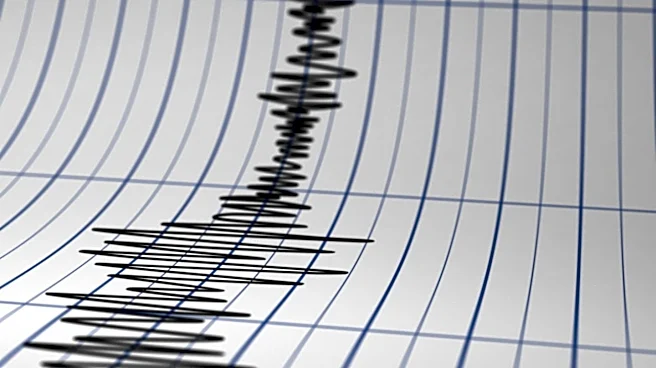
A 5.7 magnitude earthquake struck central Japan early Sunday, resulting in at least 22 injuries and significant property damage. The quake, which the Japan Meteorological Agency reported at 5.7 magnitude and the U.S.
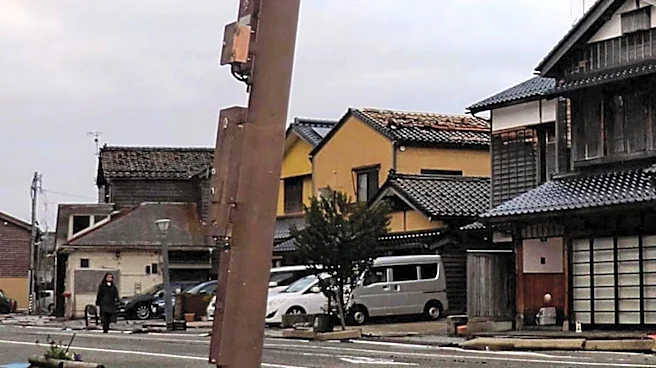
Geological Survey at 5.5 magnitude, occurred at 1:04 a.m. local time. Its epicenter was approximately 40 kilometers (25 miles) below the Earth's surface in Shizuoka Prefecture. The most intense shaking was felt in Aichi Prefecture, but a wide area was affected, including Hamamatsu, Kyoto, Nara, Yamanashi (near Mount Fuji), and Gifu. Japanese television footage showed shattered store windows, scattered glass, and books dislodged from shelves in a bookstore. Injuries reported included individuals who fell while attempting to evacuate buildings. Smaller aftershocks were also recorded following the main tremor.
Why It's Important?
This earthquake highlights Japan's inherent vulnerability to seismic activity, a critical factor for its infrastructure, economy, and disaster preparedness strategies. The immediate impact, including injuries and property damage, underscores the ongoing need for robust building codes and public safety measures in earthquake-prone regions. For U.S. businesses with operations or supply chains in Japan, such events can lead to disruptions, affecting production schedules and logistics. The precautionary slowing of Shinkansen bullet trains demonstrates the ripple effect on transportation and commerce. Furthermore, the meteorological agency's warning of potential stronger quakes in the coming week emphasizes the continuous threat and the importance of advanced seismic monitoring and early warning systems, which are areas of ongoing research and development globally, including in the U.S.
What's Next?
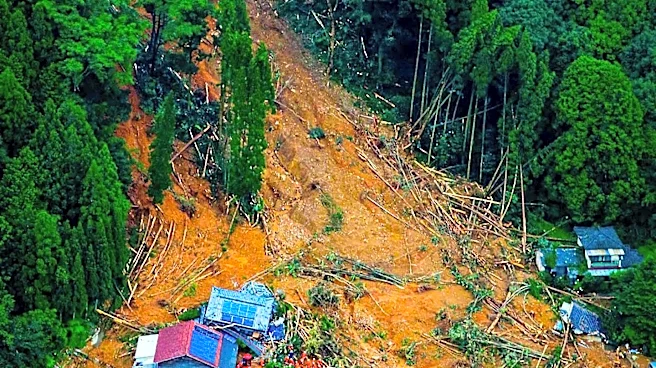
The Japan Meteorological Agency has issued warnings for residents to prepare for possible stronger earthquakes in the coming week, particularly within the next two to three days. Officials have also advised vigilance against secondary hazards such as mudslides, falling rocks, and the potential effects of rainfall in the affected areas. As a precautionary measure, Shinkansen bullet trains are operating at reduced speeds to prevent damage to railway infrastructure. Authorities in Japan are consistently urging the public to maintain emergency supplies, including bottled water, food, and batteries, and to have evacuation plans ready. No apparent changes have been detected in the Nankai Trough plate, a region where scientists anticipate a potential megaquake, but monitoring continues.
Beyond the Headlines
The frequent seismic activity in Japan, exemplified by this 5.7 magnitude earthquake, underscores the profound cultural and societal adaptation to living in an earthquake-prone zone. Beyond immediate damage and injuries, these events reinforce a collective consciousness around disaster preparedness, influencing everything from urban planning and architectural design to daily routines and public education campaigns. The emphasis on stocking emergency supplies and having evacuation plans is not merely a recommendation but a deeply ingrained aspect of Japanese life. This continuous state of readiness offers valuable lessons for other seismically active regions globally, including parts of the U.S., in fostering community resilience and integrating disaster mitigation into the fabric of society. The event also highlights the advanced state of Japan's seismic monitoring and infrastructure, which, despite the challenges, helps to minimize casualties and manage post-disaster responses.