





What's Happening?
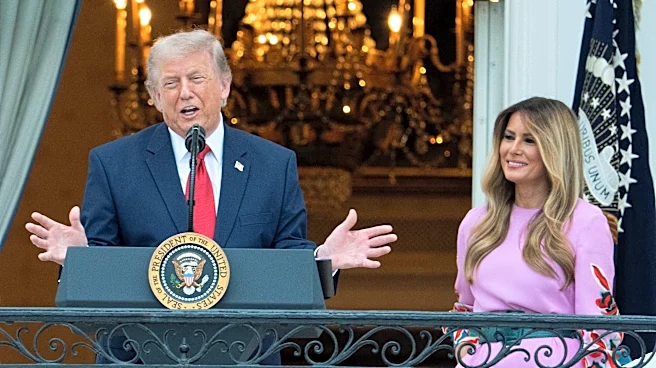
President Trump, who made significant inroads with Latino voters during the 2024 elections, is facing challenges in maintaining this support as his administration's immigration policies come under scrutiny. In 2024, Trump garnered 43% of the Latino vote,
a notable increase from 35% in 2020, largely due to economic concerns. However, his aggressive immigration enforcement, which includes arrest sweeps targeting Latino migrants, has led to a decline in support. Recent polling by the Pew Research Center indicates a drop in approval among Latino voters who supported Trump, with approval ratings falling from 93% at the start of his second term to 66% by April 2026. This shift is particularly significant in swing areas like Maricopa County, Arizona, where Latino voters play a crucial role in election outcomes.
Why It's Important?
The erosion of support among Latino voters could have significant implications for the Republican Party's future electoral prospects. Latino voters are a growing demographic in key battleground states like Arizona, where their influence has already shifted the political landscape. The decline in support for Trump among Latinos could impact the GOP's ability to maintain control in these areas, especially as Democrats have been successful in mobilizing Latino voters against hard-line immigration policies. The situation underscores the importance of Latino voters in shaping U.S. elections and highlights the potential consequences of immigration policies on voter behavior.
What's Next?
As the midterm elections approach, the Republican Party faces the challenge of retaining Latino support while balancing its immigration policies. The outcome of these elections could influence the party's strategy leading up to the 2028 presidential elections. Political leaders and strategists will likely focus on addressing economic concerns and immigration issues to regain trust among Latino voters. Additionally, the Democratic Party may intensify efforts to capitalize on the discontent among Latino voters, potentially reshaping the political dynamics in key states.
Beyond the Headlines
The situation reflects broader cultural and ethical considerations regarding immigration enforcement and its impact on communities. The aggressive tactics employed by immigration authorities have sparked debates about racial profiling and civil rights, drawing parallels to past controversies in Arizona under former Sheriff Joe Arpaio. These issues highlight the ongoing struggle for immigrant rights and the need for policies that balance security with compassion and fairness. The evolving political landscape in Arizona serves as a microcosm of national trends, where demographic shifts and policy decisions intersect to influence electoral outcomes.