




What's Happening?
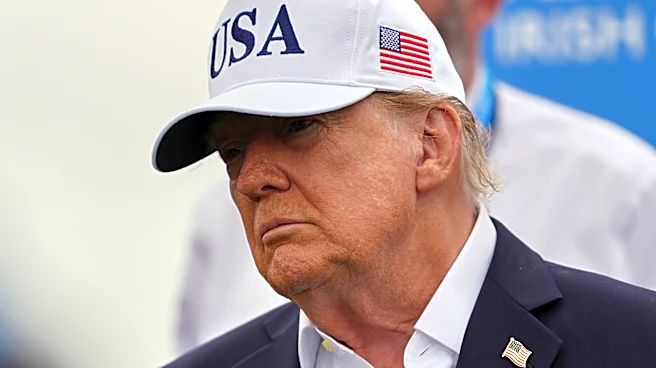
President Trump announced on his Truth Social network that Ukraine and Russia have agreed not to target each other's energy facilities. This claim comes a day after he criticized Kyiv for striking Russian oil refineries. President Trump stated, "Ukraine
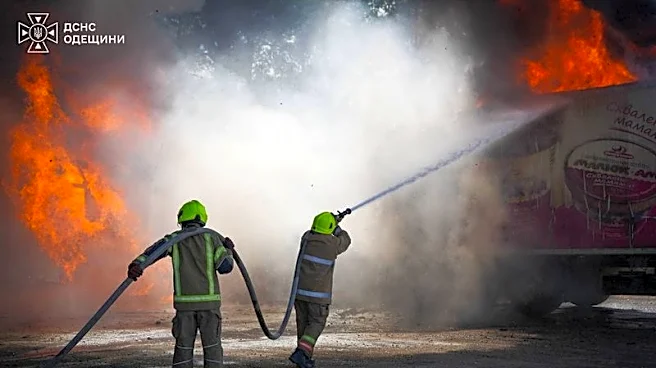
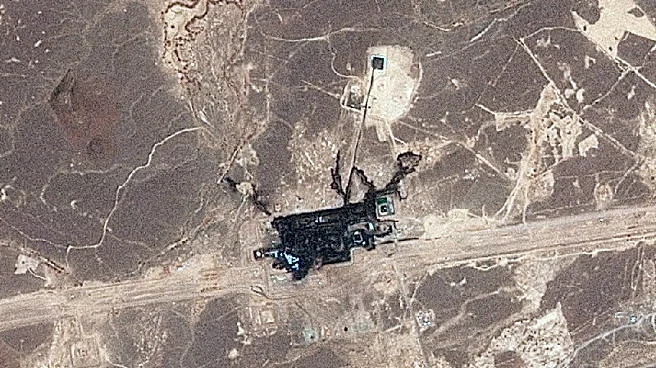
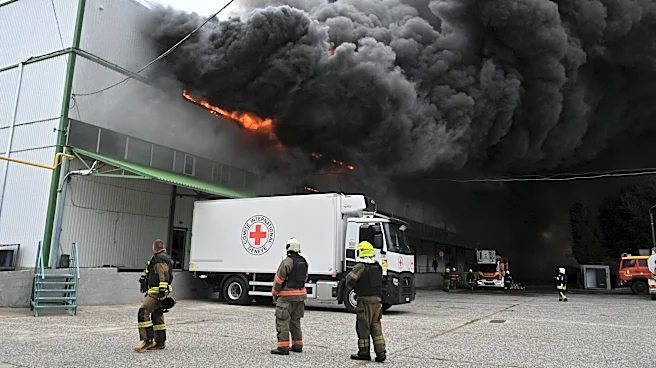
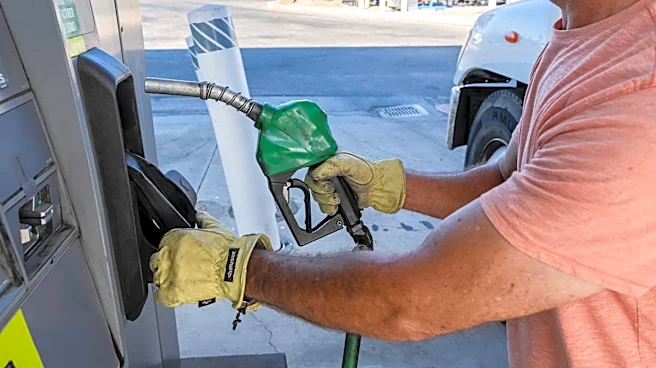
has agreed not to hit Russian Energy targets. Russia has agreed to do, likewise!" He attributed the global rise in diesel prices primarily to the Russia/Ukraine War, rather than the Iran war. The Ukrainian presidency declined to comment on President Trump's statement, and there was no immediate reaction from Moscow. President Trump had previously urged Ukrainian President Volodymyr Zelenskyy to cease attacks on Russian diesel fuel refineries, arguing that these strikes were causing a global shortage and hurting the world economy.
Why It's Important?
President Trump's announcement, if confirmed, could significantly impact global energy markets and the ongoing conflict between Ukraine and Russia. A mutual agreement to avoid targeting energy infrastructure could potentially stabilize oil and diesel prices, which have been soaring due to the conflict and the Iran war. This stabilization would alleviate inflationary pressures in the U.S. and globally, directly affecting American consumers through lower fuel costs. However, the lack of immediate confirmation from Ukraine and Russia raises questions about the veracity and enforceability of such an agreement. If the claim is unsubstantiated, it could lead to further market volatility and undermine diplomatic efforts. The focus on diesel fuel highlights its critical role in transportation and supply chains, making its price a key economic indicator.
What's Next?
The immediate next step will be to observe whether Ukraine and Russia officially confirm President Trump's claim and, more importantly, whether their actions on the ground reflect such an agreement. The Ukrainian presidency's silence and Moscow's lack of immediate reaction suggest that the claim may be premature or unconfirmed by the involved parties. If an agreement is indeed in place, it would likely lead to a de-escalation of attacks on energy infrastructure, potentially stabilizing global energy prices. Conversely, if attacks continue, President Trump's statement could be seen as an attempt to influence public perception or shift blame for rising fuel costs ahead of the U.S. midterm elections. The international community will be closely watching for any official statements or changes in military strategy from Kyiv and Moscow.
Beyond the Headlines
This development touches upon the complex interplay between international diplomacy, energy security, and domestic politics. President Trump's direct intervention and public statements regarding the conflict, particularly his criticism of Ukraine's actions, highlight the potential for U.S. influence on global conflicts. However, it also raises questions about the coordination and communication channels between the U.S. and its allies, especially if such significant claims are made without prior consultation or confirmation. The emphasis on diesel prices also underscores the vulnerability of global economies to disruptions in energy supply, making energy infrastructure a critical target in modern warfare. The long-term implications could include a re-evaluation of energy security strategies by nations and a renewed focus on diplomatic solutions to protect vital infrastructure during conflicts, potentially shaping future international norms regarding warfare and economic stability.