




What's Happening?
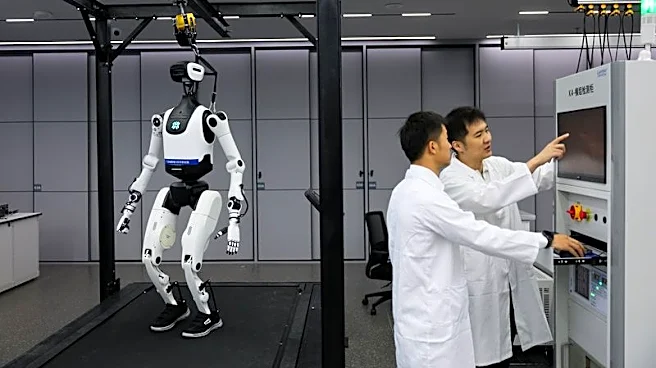
China has pushed back against claims of overcapacity in its industrial sectors, as the U.S. prepares to release findings from a probe that could lead to new tariffs. The Chinese Ministry of Commerce released a report titled 'China’s Position on the So-called
Excess Capacity Issue,' countering accusations from Western countries about China's industrial development posing threats to their economic dominance. The report argues that the notion of a 'China shock 2.0' is unfounded. This comes as the U.S. is expected to announce results from an investigation into 16 economies, including China, regarding excess capacity in manufacturing sectors. The U.S. has already imposed higher tariffs on 60 economies, citing failure to enforce bans on goods produced with forced labor.
Why It's Important?
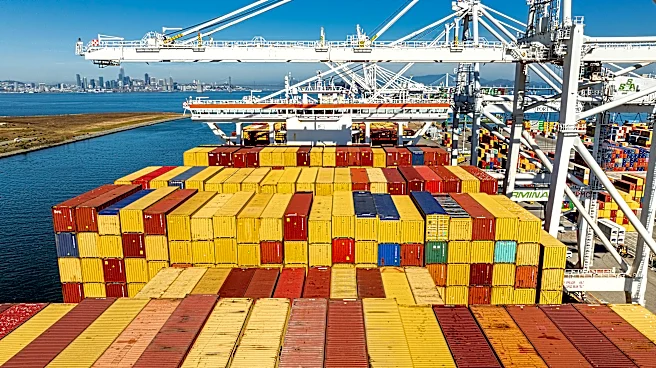
The ongoing trade tensions between the U.S. and China have significant implications for global trade dynamics. The potential for increased tariffs could exacerbate economic strains, affecting industries reliant on Chinese imports. The U.S. and other Western countries are concerned about China's growing influence in high-value sectors, which could impact domestic industries and employment. The situation underscores the geopolitical and economic challenges in balancing trade relations with China while protecting domestic markets. The outcome of the U.S. probe and subsequent actions could influence global supply chains and international trade policies.
What's Next?
The U.S. is expected to announce the findings of its investigation soon, which could lead to increased tariffs on countries deemed to have excess capacity. China's response and potential retaliatory measures could further strain U.S.-China relations. The international community will be watching closely to see how these developments affect global trade agreements and economic policies. Stakeholders in affected industries may need to adjust strategies to mitigate potential impacts from new tariffs and trade barriers.