


What's Happening?
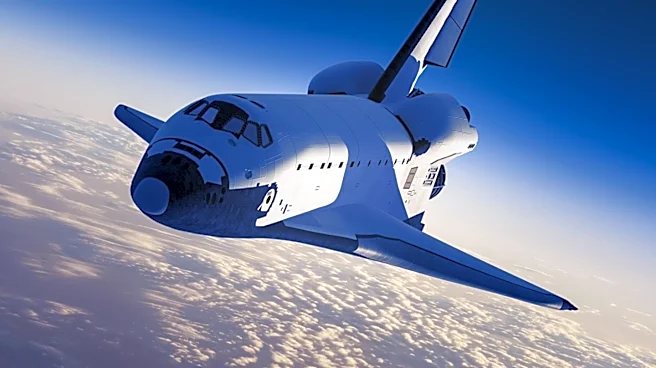
The Space Shuttle program, which conducted 135 missions between April 1981 and July 2011, is highlighted for its significant contributions to both spaceflight and aviation. The Shuttle deployed the Hubble Space Telescope, constructed the International
Space Station, and transported hundreds of astronauts into orbit. Its unique design, functioning as both a spacecraft and an airplane, required absolute precision for its unpowered glider landings. The complex cockpit systems developed for the Shuttle have influenced modern business jet flight decks, leading to advancements such as glass cockpits, fly-by-wire controls, and sophisticated environmental systems. The program's rigorous demands pushed materials science, avionics, and crew training to new levels, benefiting contemporary aviation.
Why It's Important?
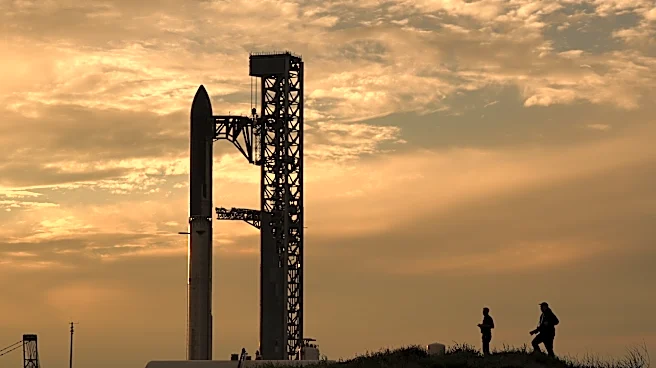
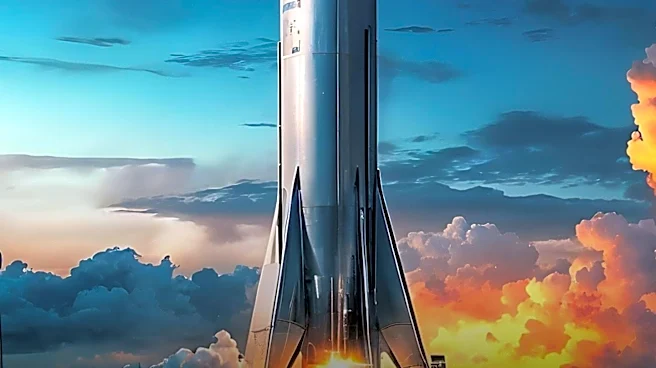
The Space Shuttle's legacy is crucial for understanding the evolution of U.S. aerospace technology and its impact on both military and civilian aviation. The program's innovations in reusability, advanced materials, and complex systems engineering laid foundational groundwork for subsequent developments. For the U.S. aerospace industry, the Shuttle demonstrated the feasibility of reusable spacecraft, a concept now central to companies like SpaceX. The transfer of technology from the Shuttle program to commercial aviation, particularly in business jets, underscores how government-funded research and development can drive private sector innovation, enhancing safety, efficiency, and comfort for travelers. This continuous cycle of innovation helps maintain the U.S.'s leadership in aerospace and contributes to economic growth through technological advancement.
What's Next?
The principles and technologies pioneered by the Space Shuttle program continue to be refined and integrated into current and future aerospace projects. The emphasis on reusability, advanced avionics, and high-performance materials, which the Shuttle program significantly advanced, remains a key focus for organizations like NASA and private aerospace companies. Future developments in space exploration and advanced aircraft design will likely build upon these foundations, aiming for even greater efficiency, safety, and capability. The lessons learned from the Shuttle's operational challenges and successes will continue to inform the design and execution of next-generation spacecraft and aircraft, ensuring that its legacy contributes to ongoing advancements in U.S. space and aviation endeavors.
Beyond the Headlines
The Space Shuttle's impact extends beyond its technological contributions, shaping the cultural and ethical landscape of space exploration. It fostered a generation's fascination with space, inspiring countless individuals to pursue careers in science and engineering. The program's challenges, including tragic accidents, also prompted critical discussions about risk management, safety protocols, and the ethical responsibilities inherent in pushing technological boundaries. The Shuttle's role in constructing the International Space Station symbolized international cooperation in space, promoting diplomacy and shared scientific endeavor. Its unique blend of spacecraft and aircraft design challenged conventional thinking, demonstrating the potential for interdisciplinary approaches to complex engineering problems and leaving a lasting imprint on the collective human imagination regarding our place in the cosmos.