





What's Happening?
The U.S. Department of Agriculture (USDA) has proposed significant new administrative rules to overhaul the Agricultural Foreign Investment Disclosure Act (AFIDA), aiming to broaden reporting obligations and increase penalties for non-compliance. These
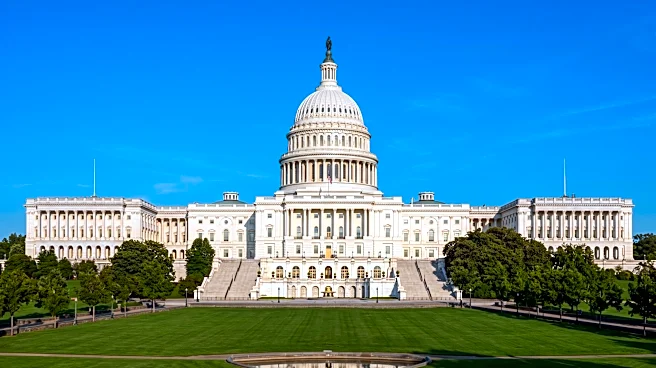
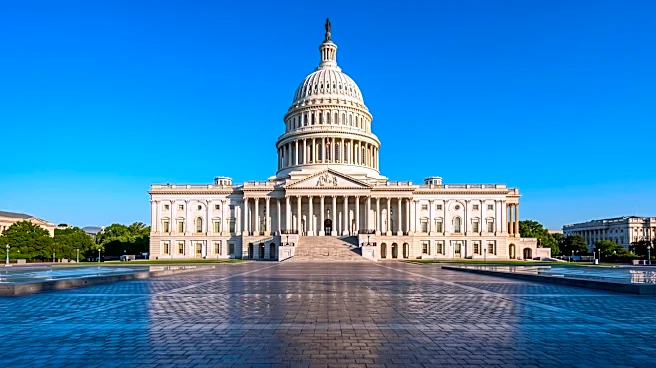
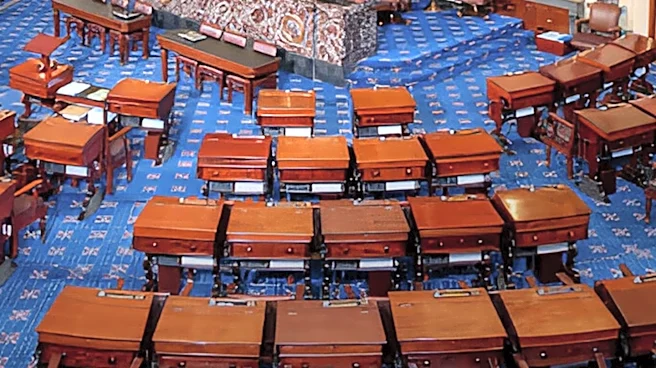
proposed rules, which closed their public comment period on August 10, are projected for final action in December 2026. Concurrently, both the House and Senate have introduced their own versions of the Farm Bill, each containing distinct provisions to reform AFIDA. The House bill, H.R. 7567, seeks to integrate AFIDA reporting with national security concerns, prohibit foreign adversaries from purchasing agricultural land, and establish a new compliance office within the USDA. The Senate's version of the Farm Bill focuses on extending reporting duties to long-term leases and land converted from agricultural use, while also increasing civil penalties and mandating audits. These three efforts represent a concerted push to update AFIDA, which has seen minimal changes since its enactment in 1978.
Why It's Important?
The proposed reforms to AFIDA are critical for national security and economic stability, particularly concerning foreign ownership of U.S. agricultural land. The USDA's rule aims to capture a wider range of foreign interests, including those in 'under cover' production, agricultural support services, and renewable energy generation, by lowering reporting thresholds and expanding the definition of 'agricultural land' and 'foreign person.' This could significantly increase transparency regarding foreign holdings, which have grown substantially in recent years. The legislative proposals from both the House and Senate underscore a bipartisan concern over the potential risks associated with foreign control of agricultural resources, especially from 'foreign adversaries.' Enhanced reporting and enforcement mechanisms could help the U.S. government better monitor and potentially restrict land acquisitions that pose national security threats, ensuring the resilience of the domestic food supply and critical infrastructure. The differing approaches between the USDA's rule and congressional bills highlight the complexity of balancing national security with economic interests and property rights.
What's Next?
The USDA is currently reviewing public comments on its proposed AFIDA rule, with a final decision anticipated by December 2026. This rule is expected to be the first of the reform efforts to take effect. Meanwhile, the House and Senate Farm Bills are in different stages of legislative process. The House bill has passed, while the Senate draft remains deadlocked in committee. With the current Farm Bill extension expiring on September 30, Congress faces a tight deadline to reconcile competing visions for AFIDA reform. Any final legislative action would supersede inconsistent USDA regulations. Key areas of conflict include whether to outright prohibit land sales to foreign adversaries, the structure of compliance offices within the USDA, and the specific thresholds for reporting leases. Legal practitioners and foreign investors are advised to prepare for the USDA's new Part 5100 regulations and anticipate further legislative changes in the coming year, which will necessitate a thorough review of ownership structures and transactional documents to ensure compliance.
Beyond the Headlines
The push to reform AFIDA reflects a growing national concern about the strategic implications of foreign ownership of U.S. agricultural land, extending beyond mere economic considerations to encompass national security and food sovereignty. The inclusion of 'foreign adversaries' in legislative proposals introduces a geopolitical dimension, suggesting that land ownership is increasingly viewed through the lens of international competition and potential threats. The expansion of 'agricultural land' to include renewable energy projects like wind and solar farms indicates a recognition of the evolving nature of critical infrastructure and resource control. This debate also touches upon the balance between private property rights and government oversight, particularly when national security interests are invoked. The reforms could lead to increased scrutiny of foreign investment in various sectors, potentially influencing international trade relations and investment patterns. The emphasis on data reliability and transparency, as highlighted by the Government Accountability Office, underscores the importance of accurate information for effective policymaking in this sensitive area.