



What's Happening?
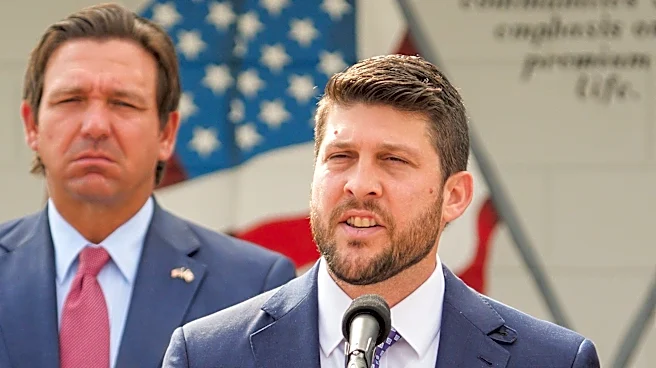
Rep. Kat Cammack announced that the House-passed Water Resources Development Act of 2026 includes $50 million in new and expanded federal water and wastewater infrastructure authorizations for several counties in Florida’s 3rd District. Specifically,
the bill authorizes up to $39.3 million for Columbia and Suwannee counties, increases Marion County’s authorization from $10 million to $20.5 million, and allocates up to $200,000 for Gilchrist County. Additionally, the legislation directs the Army Corps to conduct a study on coastal storm risk management for Horseshoe Beach in Dixie County. The bill passed the House with a vote of 415-9. These projects, once authorized, will still require annual appropriations funding to proceed. The Senate is currently working on its own version of the bill.
Why It's Important?
This authorization is crucial for the affected Florida counties as it addresses critical water and wastewater infrastructure needs, which are essential for public health, environmental protection, and economic development. Improved infrastructure can prevent waterborne diseases, enhance water quality, and support population growth and industrial activities. The coastal storm risk management study for Horseshoe Beach highlights the increasing concern over climate change impacts and the need for resilient infrastructure in vulnerable coastal areas. Federal funding and oversight ensure that these projects meet national standards and benefit from broader expertise and resources. The bipartisan support for the bill in the House underscores the widespread recognition of the importance of investing in foundational infrastructure.
What's Next?
The Water Resources Development Act of 2026, having passed the House, will now move to the Senate, which is developing its own version of the legislation. For the authorized projects to proceed, they will require annual appropriations funding, meaning that while the framework for these projects is in place, the actual allocation of funds will depend on future budgetary decisions by Congress. The Army Corps study for Horseshoe Beach will commence, providing critical data and recommendations for future coastal protection efforts. Stakeholders in the affected Florida counties will likely monitor the Senate's progress and subsequent appropriations processes closely to ensure the timely implementation of these vital infrastructure improvements.
Beyond the Headlines
The authorization of significant federal funding for water infrastructure reflects a broader national trend towards addressing aging infrastructure and preparing for environmental challenges. Beyond the immediate benefits of improved water systems, such investments can stimulate local economies through job creation in construction and engineering. The focus on coastal storm risk management also points to the long-term strategic planning required to mitigate the effects of rising sea levels and more frequent extreme weather events, which disproportionately impact coastal communities. This legislative action sets a precedent for how federal and local governments can collaborate to tackle complex infrastructure and environmental issues, potentially influencing future policy decisions across the nation.