



What's Happening?
According to Patrick Heckman, DO, a medical oncologist at Franciscan Health Indianapolis, there is no single 'anti-cancer' diet or specific vitamin, mineral, or supplement proven to clearly lower the risk of breast cancer recurrence. While many patients
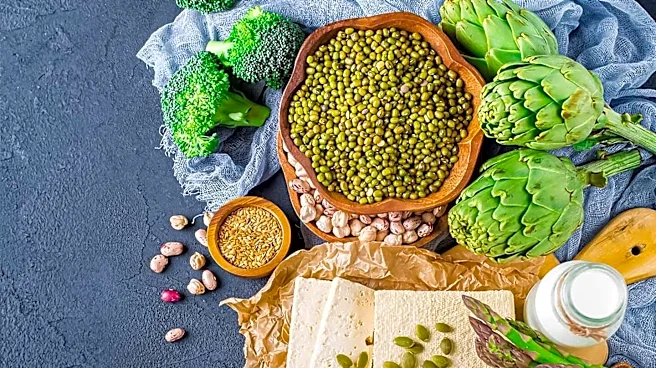
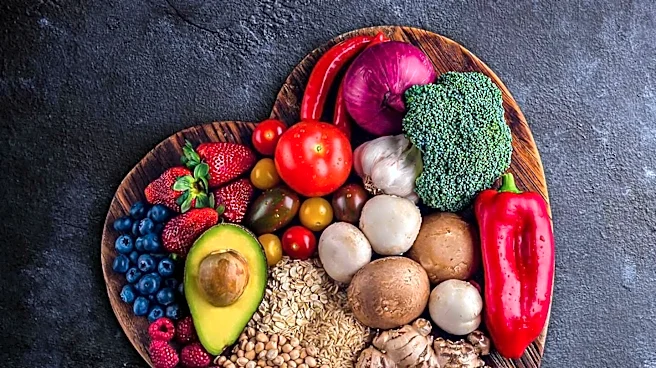
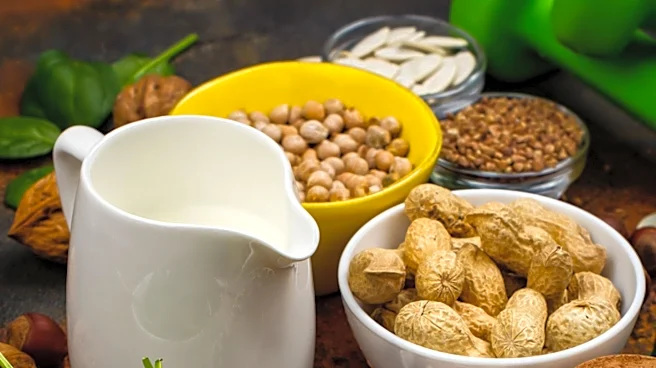
seek dietary and supplemental interventions, the evidence supports a general pattern of healthy eating, primarily a plant-forward approach with adequate protein and fiber, rather than strict or restrictive diets like keto or alkaline. Dr. Heckman advises patients to focus on sustainable eating habits and to be cautious with supplements. Notably, antioxidant supplements taken during chemotherapy or radiation may interfere with treatment effectiveness and have been linked to higher recurrence and mortality in some studies. Soy foods are considered safe for breast cancer survivors, including those with hormone receptor-positive breast cancer, debunking a common myth. Additionally, 'detoxes' and 'cleanses' are not supported by evidence for reducing recurrence risk.
Why It's Important?
This information is critical for breast cancer patients and survivors in the U.S. who are often bombarded with unverified claims about diet and supplements. Misinformation can lead to unnecessary anxiety, financial expenditure on ineffective products, and potentially harmful interactions with conventional treatments. Dr. Heckman's guidance helps patients make informed decisions based on scientific evidence, emphasizing that a balanced, plant-forward diet, consistent physical activity, and good sleep are more beneficial than unproven remedies. The caution against antioxidant supplements during active treatment is particularly vital, as these could inadvertently reduce the efficacy of life-saving therapies. Clarifying the safety of soy also allows patients to incorporate healthy plant-based protein sources without fear, promoting a more varied and nutritious diet.
What's Next?
Patients are strongly advised to discuss any dietary changes or supplement use with their healthcare provider, especially their oncologist, before starting. This is crucial to ensure safety and avoid potential interactions with ongoing treatments. The medical community will likely continue to educate patients on evidence-based nutrition and lifestyle choices, steering them away from unproven 'miracle cures.' Future research may further explore the nuanced roles of specific nutrients and dietary patterns in cancer prevention and recurrence, but for now, the emphasis remains on a holistic approach to health. This includes regular exercise, a balanced diet, and avoiding tobacco and excessive alcohol, rather than relying on individual supplements or restrictive diets.
Beyond the Headlines
The prevalence of unproven dietary and supplement advice in the context of cancer highlights a broader societal challenge: the struggle to distinguish scientific evidence from marketing claims and anecdotal experiences. This issue is compounded by the emotional vulnerability of individuals facing serious illnesses, making them susceptible to promises of quick fixes. The medical community's consistent message—that no single food or supplement can cure or prevent cancer recurrence—underscores the complexity of the disease and the importance of integrated, evidence-based care. This situation also points to the need for stronger regulatory oversight of the supplement industry and more robust public health campaigns to promote critical health literacy. Ultimately, empowering patients with accurate information allows them to make choices that genuinely support their well-being and treatment outcomes, rather than falling prey to false hope.