



What's Happening?
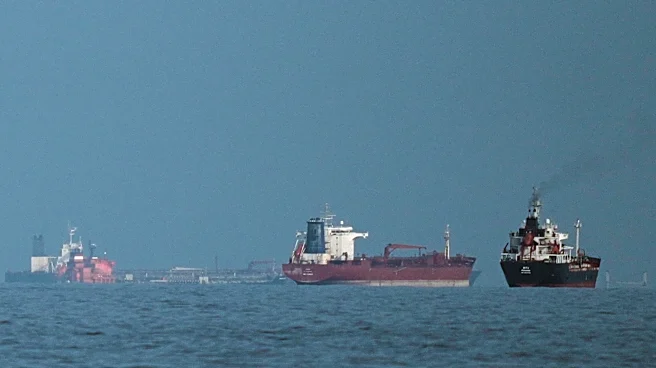
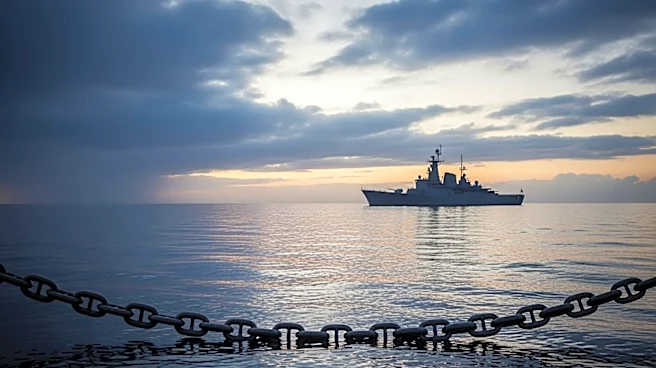
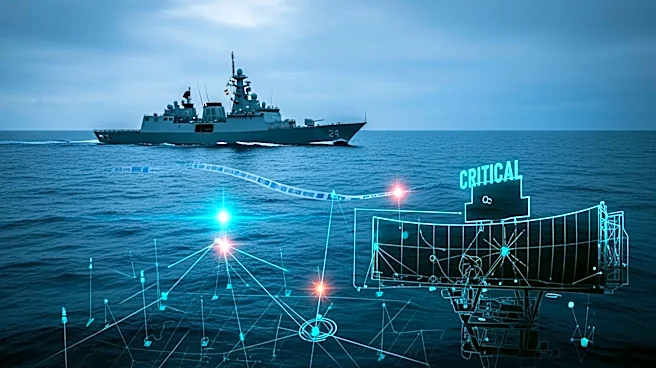
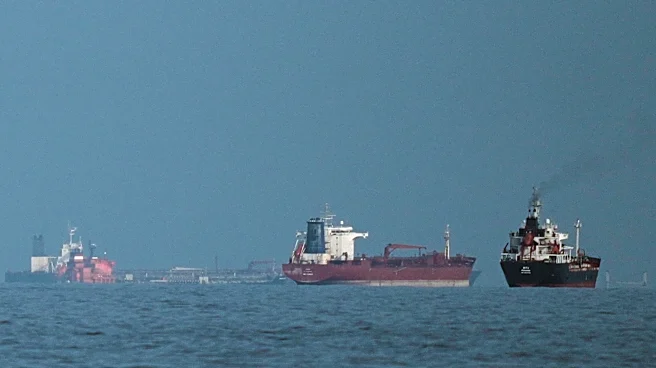
The U.S. Navy destroyer USS Spruance intercepted an Iranian-flagged cargo vessel on April 14, 2026, as it attempted to evade a maritime blockade. This blockade was initiated by the U.S. following failed peace talks with Iran, which took place on April 11
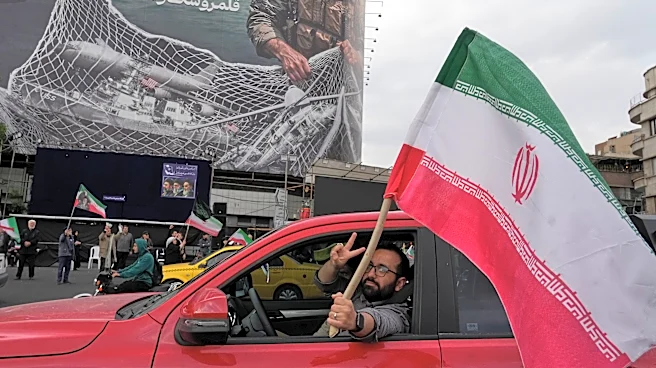
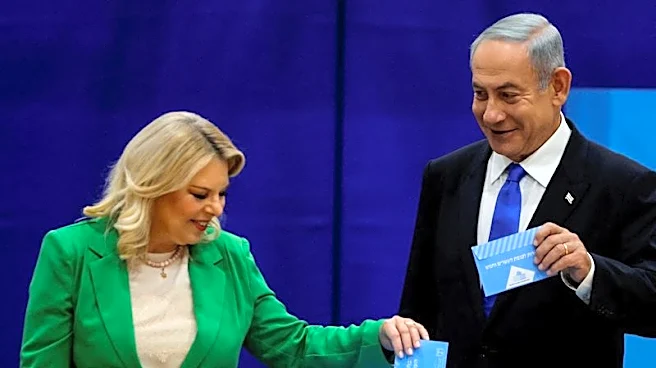
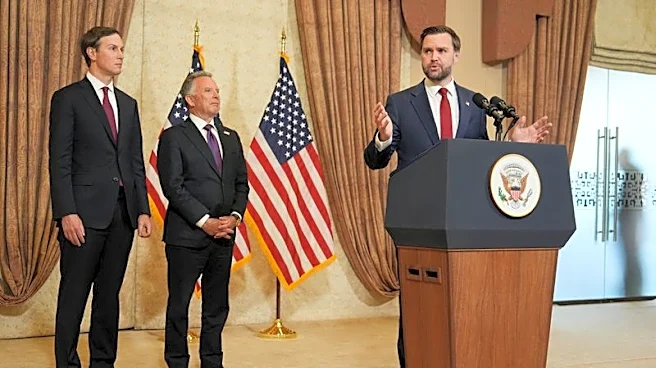
and 12 in Islamabad, Pakistan. The talks, involving Vice President JD Vance and special envoys, did not succeed due to Iran's refusal to remove enriched uranium and end its nuclear program. The blockade, announced by President Trump, involves significant U.S. military resources, including 10,000 troops and numerous warships and aircraft. The intercepted vessel was redirected back to Iran after it exited the Strait of Hormuz.
Why It's Important?
This incident underscores the heightened tensions between the U.S. and Iran, particularly concerning Iran's nuclear ambitions. The blockade aims to exert pressure on Iran by restricting its maritime activities, potentially impacting global oil markets and regional stability. The U.S. military's active enforcement of the blockade demonstrates its commitment to preventing Iran from advancing its nuclear capabilities. This situation could lead to further diplomatic strains and affect international relations, especially with countries reliant on oil transit through the Strait of Hormuz.
What's Next?
The U.S. and Iran are currently observing a two-week ceasefire, which began on April 7. The continuation of the blockade and its enforcement could provoke further responses from Iran, potentially escalating military tensions. Diplomatic efforts may continue in an attempt to resolve the nuclear issue, but the current impasse suggests a challenging path ahead. The international community will likely monitor the situation closely, given its implications for regional security and global energy supplies.