






What's Happening?
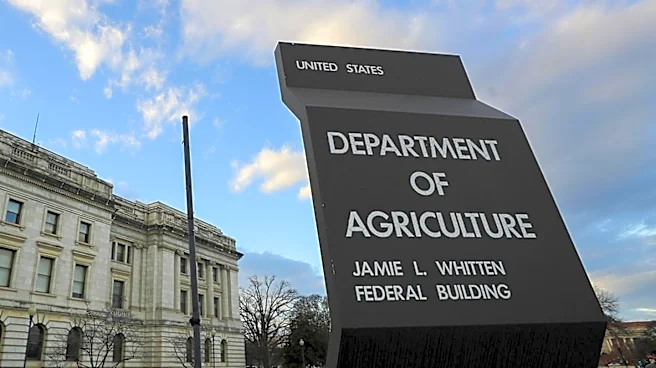
Stop Online Puppy Mills is advising potential puppy buyers to exercise extreme caution when considering puppies from high-volume commercial dog breeders. These facilities, often USDA-licensed, supply puppies to online platforms, pet stores, and brokers,
frequently housing a large number of breeding dogs. The organization highlights that while these operations vary in size, key concerns revolve around the living conditions, breeding frequency, and veterinary care provided to the dogs. Many commercial facilities may offer minimal veterinary attention to cut costs, potentially leading to health issues for puppies and subsequent expensive veterinary bills for new owners. Furthermore, puppies from these environments often lack adequate socialization, which is crucial for their behavioral development and adaptation to home life. Stop Online Puppy Mills encourages thorough research into breeders, emphasizing the importance of understanding where the dogs live and the conditions they are kept in.
Why It's Important?
The proliferation of high-volume commercial dog breeding facilities, often referred to as puppy mills, has significant implications for animal welfare and consumer protection in the U.S. Buyers who are unaware of these practices may unknowingly support operations where dogs are treated primarily as production animals, leading to challenging living conditions, limited veterinary care, and behavioral problems in puppies. This can result in emotional distress and substantial financial burdens for families who purchase sick or unsocialized puppies. The lack of transparency from some online sellers and pet stores makes it difficult for consumers to identify the true origins and conditions of the puppies they are buying. This issue underscores the need for greater consumer awareness and stricter oversight within the commercial dog breeding industry to ensure humane treatment of animals and protect buyers from deceptive practices.
What's Next?
Stop Online Puppy Mills will continue its efforts to educate consumers and advocate for improved conditions in the commercial dog breeding industry. The organization reviews reports of suspected puppy mills and may forward relevant information to the USDA, state, or local authorities for investigation. They also encourage individuals who have purchased sick puppies to report their experiences. For prospective puppy owners, the recommendation is to avoid online-only purchases and instead consider adopting from shelters or rescues, or to seek out responsible breeders who prioritize health, socialization, and transparency. This involves visiting the breeder in person, meeting the mother dog, and verifying health testing records and living conditions. Continued public awareness campaigns and regulatory scrutiny will be crucial in addressing the challenges posed by high-volume commercial dog breeding.
Beyond the Headlines
The issue of puppy mills extends beyond individual animal welfare cases, touching upon broader ethical and regulatory debates. The legal classification of animals as property, while allowing for welfare laws, often clashes with animal rights perspectives that advocate for greater legal standing for animals. While courts have largely rejected granting animals legal personhood, public sentiment and advocacy groups continue to push for reforms that improve animal welfare standards. The challenges in regulating high-volume breeders, even those that are USDA-licensed, highlight potential gaps in oversight and enforcement. This ongoing tension between commercial interests, animal welfare, and consumer expectations necessitates a reevaluation of current practices and regulations to ensure that the pet trade operates ethically and transparently, reflecting societal values regarding animal care.