


What's Happening?
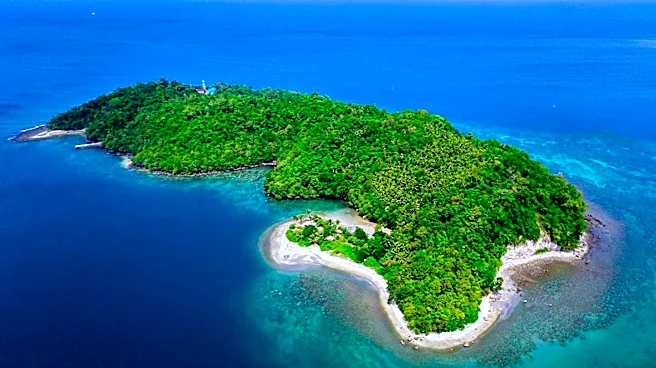
Con Co Island in Quang Tri Province is being developed as a hub for the blue marine economy, eco-tourism, and sustainable livelihoods. The island's Marine Protected Area, established in 2009, covers over 4,300 hectares and is divided into three zones:
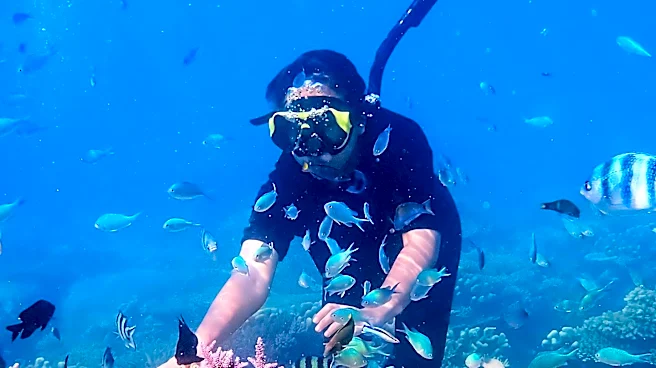
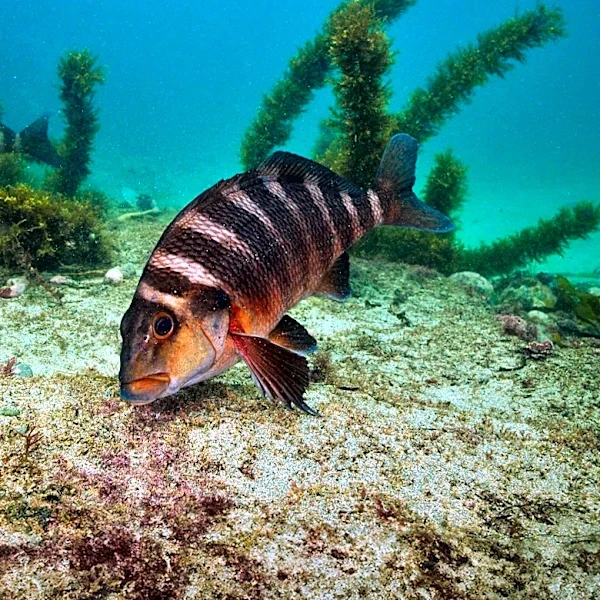
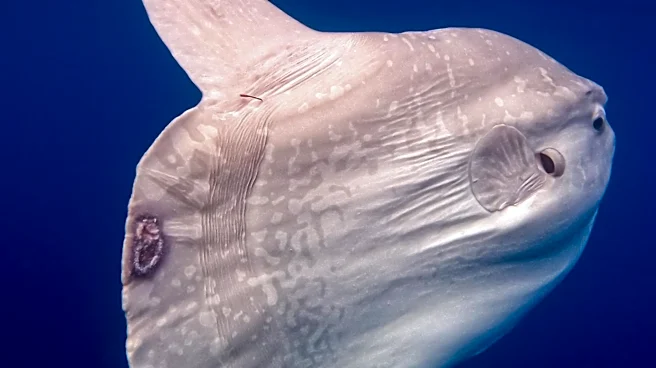
strictly protected, ecological restoration, and service-administration. Efforts are being made to integrate science and technology in management to protect the island's landscape and marine environment. The area is rich in biodiversity, with 137 coral species and numerous marine organisms, making it valuable for scientific research and eco-tourism. However, the island faces challenges from climate change, fishing activities, and marine litter. Local authorities are working on waste management and promoting environmentally friendly activities to support sustainable development.
Why It's Important?
The development of Con Co Island as a sustainable blue marine economy is significant for both environmental conservation and economic growth. By focusing on eco-tourism and sustainable livelihoods, the island aims to balance conservation with community benefits. This approach can serve as a model for other regions facing similar challenges. The integration of digital technologies in management enhances the efficiency of conservation efforts, potentially leading to better protection of marine ecosystems. The initiative also highlights the importance of community involvement in conservation, ensuring that local people benefit from sustainable practices. This development could attract international cooperation and investment, further boosting the region's economy.
What's Next?
The Quang Tri Provincial People’s Committee has approved a management plan for the Con Co Island Marine Protected Area for 2026-2030, focusing on ecosystem protection, resource restoration, and sustainable livelihoods. There is a proposal to expand the protected area to 10,000 hectares, which would enhance ecological connectivity and provide better protection for marine species. Achieving these goals will require collaboration among various stakeholders, including local authorities, scientists, and the fishing community. The success of this initiative could influence similar projects globally, promoting sustainable marine economies and conservation efforts.