


What's Happening?
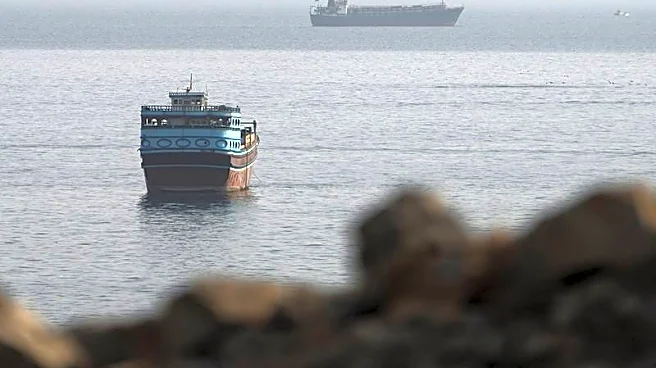
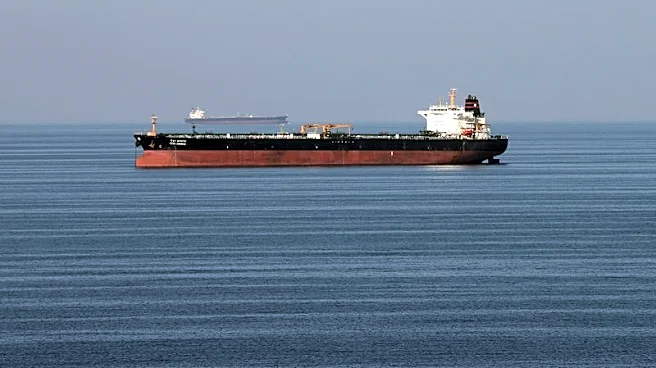
Oil prices increased by 3% as Iran announced conditions for reopening the Strait of Hormuz, a critical oil transit route. Iran demands the lifting of U.S. sanctions, reparations, and other conditions before reopening the strait. This announcement follows
a period of negotiations with Oman and comes amid ongoing regional tensions. The uncertainty surrounding the strait's status has contributed to volatility in oil markets, with Brent crude and U.S. West Texas Intermediate crude both experiencing significant price increases.
Why It's Important?
The Strait of Hormuz is a vital chokepoint for global oil supply, and its closure or restricted access can have significant implications for global energy markets. The current situation highlights the geopolitical risks associated with oil transportation and the potential for supply disruptions. The rise in oil prices could impact global economies, particularly those heavily reliant on oil imports. Additionally, the situation underscores the importance of diplomatic efforts to ensure the stability of critical energy routes.
What's Next?
The ongoing negotiations between Iran and Oman, along with Iran's demands, will be closely monitored by global markets. Any developments could lead to further fluctuations in oil prices. The situation may also prompt discussions among international stakeholders about alternative routes and strategies to mitigate the impact of potential disruptions. Additionally, the geopolitical tensions in the region could influence broader diplomatic relations and energy policies.