






What's Happening?
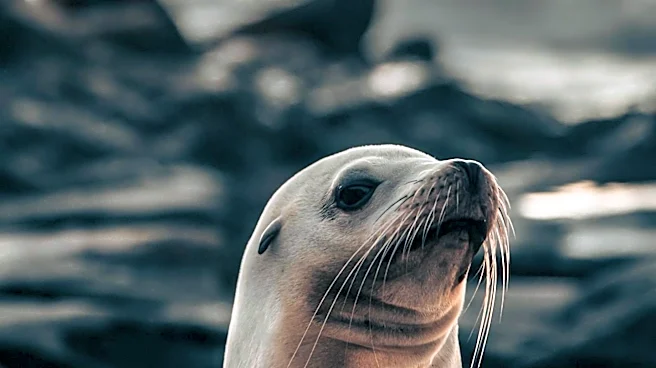
The California coastline is currently experiencing an unusually high number of sea lion strandings, primarily attributed to a widespread harmful algal bloom (HAB) event. This bloom involves pseudo-nitzschia, a microalgae that produces domoic acid, a potent
neurotoxin. Sea lions consume organisms like anchovies, sardines, and squid that have ingested this toxic algae, leading to domoic acid poisoning. Symptoms in affected sea lions include lethargy, disorientation, unpredictable behavior, twitching, tremors, and seizures. The Marine Mammal Center, a Sausalito-based nonprofit, has reported that this year's outbreak is the largest in its history since domoic acid toxicosis was first diagnosed in California sea lions in 1998. The center has rescued 291 sea lions affected by domoic acid poisoning as of October, with most rescues occurring since July, significantly exceeding the typical annual range of 75 to 90 cases. Warming oceans and ocean acidification are identified as contributing factors to the proliferation of these toxic algae.
Why It's Important?
This surge in sea lion strandings highlights a critical environmental and public health concern along the U.S. West Coast. The increased frequency and intensity of harmful algal blooms, exacerbated by climate change factors like warming oceans, pose a significant threat to marine ecosystems. The accumulation of domoic acid in the marine food web not only impacts sea lions but also has the potential to affect other marine life and, indirectly, human health through contaminated seafood, although direct poisoning through scavenging has not been widely documented. The Marine Mammal Center's overwhelmed response capacity underscores the strain on conservation efforts and resources. This situation serves as a stark indicator of broader ecological imbalances and the urgent need for comprehensive strategies to address climate change and its cascading effects on marine biodiversity and coastal communities.
What's Next?
The upcoming rainy season, particularly with the anticipated large El Niño event, is projected to worsen the problem of toxic algae blooms and subsequent sea lion strandings, according to Raphael Kudela, a distinguished professor of ocean sciences at UC Santa Cruz. This forecast suggests that marine mammal rescue organizations will likely face continued, if not increased, demands for their services. Researchers will continue to monitor the spread of domoic acid through the food web and assess its long-term impacts on marine populations. Public awareness campaigns will remain crucial to advise beachgoers on maintaining a safe distance from stranded animals and reporting sightings to authorities. Further research into the dynamics of HABs and their connection to climate patterns will be essential for developing more effective mitigation and response strategies.
Beyond the Headlines
The ongoing crisis with sea lion strandings extends beyond immediate animal welfare, touching upon complex ecological and ethical dimensions. The phenomenon underscores the interconnectedness of marine ecosystems and the far-reaching consequences of environmental degradation. It raises questions about the resilience of marine species in the face of rapid environmental changes and the adequacy of current conservation policies. Ethically, the situation challenges society to confront its role in climate change and its responsibility towards protecting vulnerable wildlife. The increased frequency of these events could also lead to long-term shifts in marine biodiversity, potentially altering predator-prey relationships and the overall health of coastal waters. This situation serves as a potent reminder of the delicate balance of nature and the imperative for sustainable practices.