





What's Happening?
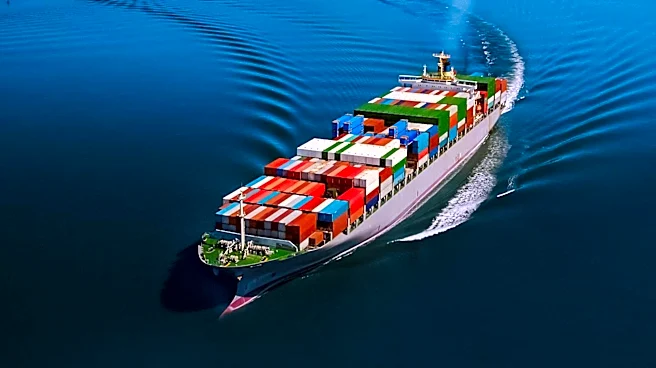
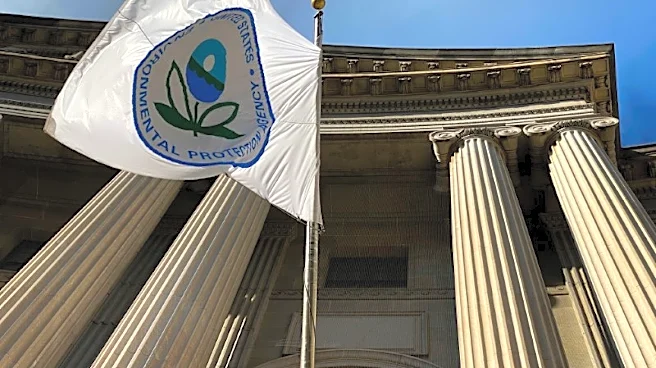
The U.S. House of Representatives has voted to overturn California’s stringent at-berth emissions regulations for oceangoing ships. Lawmakers passed H.J. Res. 210 by a vote of 216 to 211, aiming to rescind the Environmental Protection Agency (EPA) authorization
that permits California to enforce its 2020 At-Berth Regulation. These rules mandate that vessels calling at regulated California terminals control emissions throughout their port stay, typically by connecting to shoreside electricity or using alternative emissions-control systems. The regulations have covered container, reefer, and cruise ships since 2023, with roro vessels and tankers at Los Angeles and Long Beach to be included from 2025. Republican congressman Vince Fong, a proponent of the resolution, argued that California’s requirements impose costs beyond the state due to the volume of cargo passing through its ports, potentially leading to increased prices and supply chain disruptions. California Governor Gavin Newsom criticized the House's action, stating it would harm port communities and children's health by promoting dirtier air, and accused Fong of siding with 'Big Oil'. The dispute highlights California’s unique status under the Clean Air Act, which allows it to seek federal authorization for stricter emissions standards than national requirements.
Why It's Important?
This vote represents a significant federal intervention into California's environmental regulatory authority, potentially undermining the state's ability to set stricter clean air standards. California's At-Berth Regulation was estimated by state regulators to cost approximately $2.23 billion but deliver $2.32 billion in avoided adverse health impacts, ultimately reducing pollution from regulated at-berth activity by about 90%. The House's move, if it passes the Senate and is signed by the President, could negate these environmental and public health benefits. For U.S. industries, particularly shipping and logistics, this could mean a reprieve from compliance costs associated with California's rules, but it also introduces uncertainty regarding future environmental regulations. The National Association of Manufacturers and the American Petroleum Institute have supported efforts to block California's regulations, viewing them as unworkable and costly. Conversely, environmental groups and public health advocates would see this as a setback, potentially leading to increased air pollution in port communities. The broader implication is a potential shift in the balance of power between federal and state governments on environmental policy, particularly concerning states with special Clean Air Act waivers.
What's Next?
The resolutions, including H.J. Res. 210 and another overturning EPA authorization for California’s Commercial Harbor Craft Regulations, still require Senate approval before they can reach the President's desk. If the Senate passes these measures, the President would then decide whether to sign them into law, effectively blocking California's regulations. This process is likely to face significant opposition from California officials and environmental advocates, potentially leading to further political and legal battles. Governor Newsom has already indicated strong disapproval, suggesting continued resistance to what he views as actions that harm the state's environmental and public health goals. The outcome will determine the immediate future of emissions standards for ships operating in California ports and could set a precedent for federal-state conflicts over environmental regulations. Stakeholders, including shipping companies, port authorities, and environmental organizations, will closely monitor the Senate's deliberations and any subsequent presidential action.
Beyond the Headlines
This legislative action delves into the deeper constitutional and policy debate surrounding federalism and environmental regulation in the U.S. California's special status under the Clean Air Act, allowing it to set stricter emissions standards, has historically been a point of contention. This current challenge reflects a broader political trend of some federal lawmakers seeking to limit state-level environmental initiatives, often citing economic burdens and supply chain concerns. The ethical dimension involves balancing economic interests, such as shipping costs and industry profits, against public health and environmental protection, particularly for communities near ports that disproportionately bear the brunt of air pollution. The long-term shift could involve a re-evaluation of the scope of state environmental authority, potentially impacting other states that might seek to implement their own stringent regulations. This also highlights the ongoing tension between economic development and environmental sustainability, with different political factions prioritizing one over the other, leading to a fragmented approach to national environmental policy.