





What's Happening?
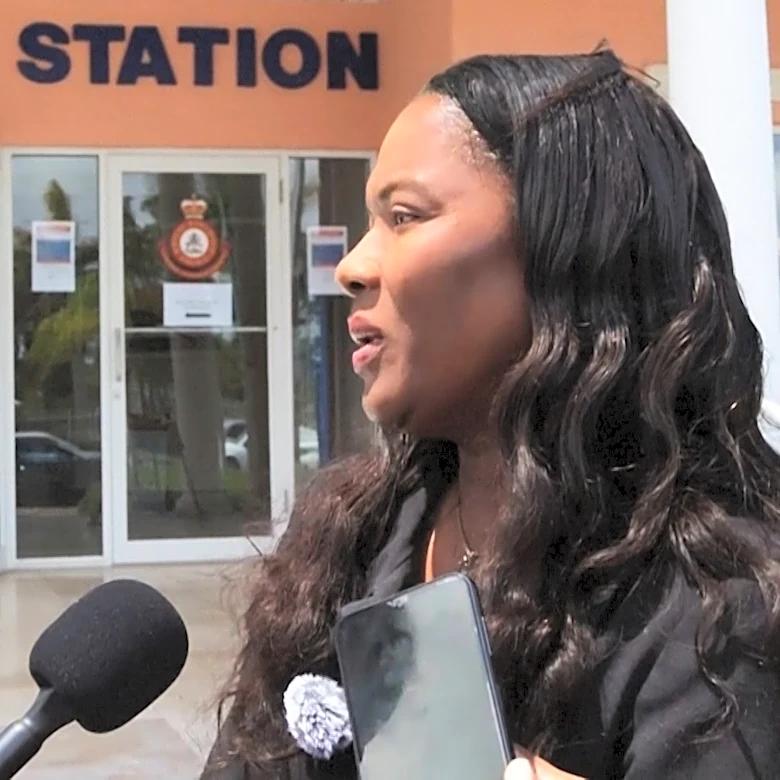
A researcher at the State University of Campinas (Unicamp) in Brazil, Soledad Palameta Miller, was arrested for allegedly stealing virus samples from a high-security biosafety laboratory. The samples, which included viruses such as chikungunya, dengue,
and Epstein–Barr, were recovered by police from other locations on the university's campus. The incident has raised concerns within the Brazilian virology community about security lapses at the biosafety-level-3 (BSL-3) lab, which is equipped to handle potentially lethal pathogens. The university is cooperating with the police investigation and conducting its own internal review. The Brazilian Society for Virology has stated that the biosafety systems in place were effective, as the samples were quickly recovered and contained.
Why It's Important?
The incident highlights potential vulnerabilities in the security protocols of high-level biosafety labs, which are critical for studying dangerous pathogens safely. Such breaches can undermine public trust in scientific research and biosafety measures, especially in a country like Brazil, which is planning to build its first BSL-4 lab. The swift recovery of the samples and the ongoing investigations demonstrate the importance of robust security and oversight in research facilities handling infectious agents. This case also underscores the need for continuous monitoring and improvement of biosafety practices to prevent similar incidents in the future.
What's Next?
The ongoing investigation will determine the full extent of the breach and any additional parties involved. The outcome could lead to stricter regulations and enhanced security measures at biosafety labs in Brazil and potentially influence global standards. The scientific community will likely advocate for increased transparency and accountability in lab operations to prevent future incidents. The case may also prompt other countries to review their biosafety protocols and ensure that their facilities are adequately protected against unauthorized access and potential theft.