




What's Happening?
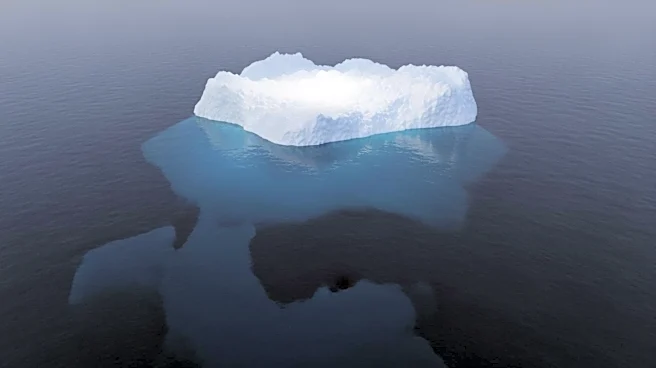
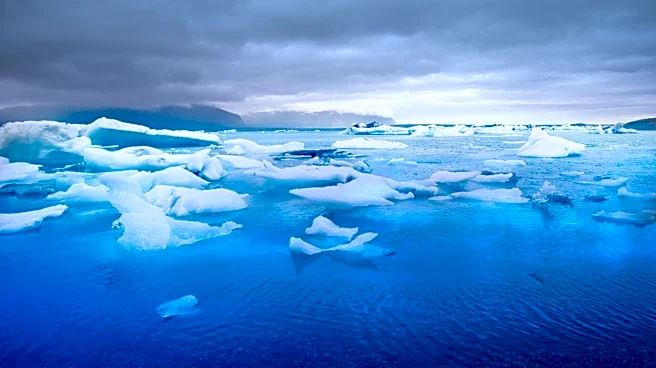
Researchers from the Alfred Wegener Institute and the Woods Hole Oceanographic Institution have reported a significant increase in iceberg sightings in the Arctic, particularly in the Fram Strait. This rise is attributed to the destabilization of large
glaciers in northeast Greenland and parts of the Russian Arctic, coupled with the increased mobility of sea ice. As these icebergs melt, they release debris and stones, creating new hard-substrate habitats on the seafloor, which alters existing marine communities. This phenomenon poses risks to shipping and fisheries, as the presence of icebergs increases in these regions. The study, published in Nature, highlights the interdisciplinary efforts to understand the impact of climate change on these processes.
Why It's Important?
The increase in iceberg activity in the Arctic has significant implications for both the environment and human activities. The formation of new habitats on the seafloor can lead to increased biodiversity, as species that prefer hard substrates, such as sponges and anemones, can establish themselves. However, the presence of more icebergs also poses risks to maritime safety, particularly for cruise and cargo ships operating in these waters. Additionally, the stones deposited by melting icebergs could become hazards for fishing activities, especially bottom trawling. This underscores the need for improved monitoring and planning to mitigate these risks, as well as the importance of understanding the broader impacts of climate change on Arctic ecosystems.
What's Next?
The study's findings highlight the need for continued research and monitoring of iceberg activity in the Arctic. The establishment of Drift+Noise Polar Services aims to provide ships with reliable information on ice and iceberg distribution, enhancing maritime safety. Future research will likely focus on refining models to predict iceberg movements and their potential impacts on marine ecosystems and human activities. As climate change continues to affect the stability of glaciers, understanding these dynamics will be crucial for developing strategies to adapt to the changing Arctic environment.
Beyond the Headlines
The increase in iceberg activity is a clear indicator of the broader impacts of climate change on the Arctic region. The destabilization of glaciers and the resulting changes in marine habitats highlight the interconnectedness of land and sea processes. This situation also raises ethical and policy questions about the responsibility of nations and industries to address climate change and its consequences. The findings could influence international discussions on climate policy and the need for collaborative efforts to protect vulnerable ecosystems and communities.