






What's Happening?
A recent poll conducted by the Jewish People Policy Institute reveals a decline in support for the US-Israel war on Iran among 'connected' American Jews. Initially, 68% of these individuals, who have ties to American Jewish institutions, supported the war.
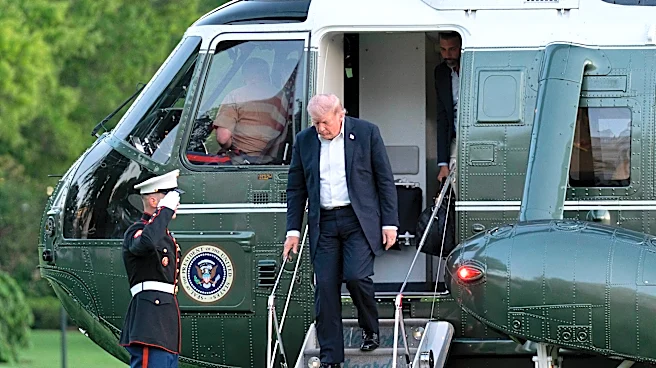
However, this support dropped to 60% following President Trump's unilateral ceasefire announcement on April 8. The decline was most pronounced among those identifying as 'leaning liberal,' with support falling from 57% to 42%. Opposition to the war has increased, with about a third of respondents now opposing it, up from 26% at the war's start. The poll surveyed 806 American Jews between April 15-19, reflecting sentiments of Jews more affiliated with denominations and those who have lived in Israel.
Why It's Important?
The decline in support among 'connected' American Jews could influence US policy and public opinion regarding the military campaign against Iran. As these individuals often have significant ties to Jewish institutions, their changing views may impact broader Jewish community perspectives and potentially affect political lobbying efforts. The shift also highlights growing divisions within the Jewish community regarding US foreign policy in the Middle East, particularly concerning military interventions. This change in sentiment may pressure policymakers to reconsider their strategies and seek diplomatic solutions to the conflict.
What's Next?
The future of the US-Israel war on Iran remains uncertain, with President Trump expressing dissatisfaction with Iran's latest offers and contemplating further military action. The ongoing ceasefire and negotiations may lead to new developments, but tensions remain high. The US administration may face increased pressure from both domestic and international stakeholders to find a peaceful resolution. Additionally, the evolving public opinion among American Jews could influence future political campaigns and policy decisions related to US involvement in the Middle East.